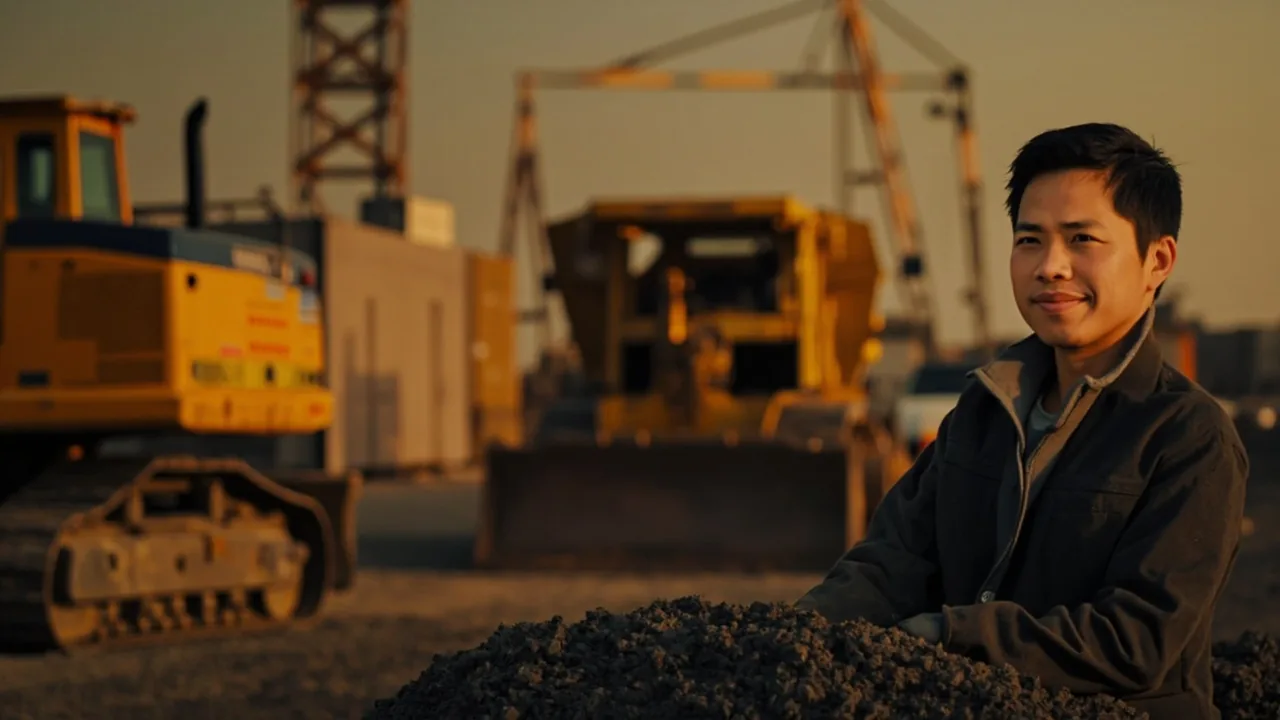

Building out an earthmoving fleet ties up a lot of capital, so many Canadian contractors finance the dozers and excavators and keep their cash free to bid the next job.
Demand for excavators, dozers, loaders, and articulated trucks keeps climbing across the country, from B.C. to Newfoundland. Whether you are bidding municipal work in Ontario, resource development in Alberta, or highway jobs in Quebec, a modern, well-maintained earthmoving fleet is what makes you competitive. These are multimillion-dollar machines, so the right financing lets you grow without overextending.
Understanding Heavy Equipment Finance Options in Canada
The usual ways to finance earthmoving equipment in Canada are a traditional equipment loan, an operating lease, a finance lease, and a sale-leaseback. Each has its own advantages depending on your cash flow, your tax position, and where you want the business to go.
An equipment loan spreads the cost of buying over time while you own the machine from day one. That appeals to a company that wants to build equity in its assets and likes knowing exactly where it stands. A typical heavy-equipment loan runs three to seven years, with the rate set by your credit, the age of the machine, and the market.
Leasing brings more flexibility, which many construction firms value in an industry where project volume changes with the season. A lease lets you use the equipment for a set term in exchange for regular payments to the lessor. At the end, you can usually buy it, upgrade to a newer model, or return it.
Why Construction Companies Choose to Finance Earthmoving Equipment
Construction companies finance earthmoving equipment instead of buying outright for three practical reasons.
Preserving Working Capital
A single earthmoving machine often costs well over $500,000, so financing keeps your working capital free for payroll, materials, and the unexpected costs that come with any big job. Healthy cash flow lets you act quickly when a new opportunity appears, or bridge the gap between a milestone and the cheque that pays for it.
Managing Seasonal Revenue Cycles
Canadian construction revenue is seasonal. Spring thaw, winter delays, and regional weather all make revenue uneven through the year. A flexible financing structure lets you line equipment payments up with your cash flow, so a large fixed cost does not land in your slowest month.
Access to Newer Technology
Manufacturers keep improving telematics, fuel efficiency, operator assistance, and emissions. Financing lets you move to newer technology without sinking all your capital into one purchase. Leasing in particular lets you cycle into current models with better output, lower running costs, and stronger safety features.
Tax Benefits for Canadian Equipment Buyers
Canadian tax rules offer advantages to a business that finances or leases heavy equipment, and the right structure depends on them.
Under Canada Revenue Agency guidelines, a financed machine lets you claim capital cost allowance (CCA), spreading your depreciation deductions across several years, plus the interest. With an operating lease, you can generally deduct the full lease payment as a business expense, which brings immediate tax relief and lowers your true cost. The Canada Revenue Agency's guidance says to “Deduct the lease payments incurred in the year for property used in your business.” (CRA)
Operating lease payments are recorded as business expenses, which keeps the accounting simple: you record the payment, with no depreciation schedule to manage. That helps a smaller firm without a dedicated accounting team.
CRA Tip: Capital Cost Allowance for Heavy Equipment
Class 8 equipment, which covers many types of earthmoving machinery, qualifies for a 20% declining-balance CCA rate. That lets you claim depreciation deductions over many years, lowering your taxable income while you finance the machine. Consult a Canadian tax professional to confirm how it applies to you and which class your equipment falls under.
Financing New and Used Earthmoving Equipment
Both new and used earthmoving equipment can be financed, and each comes with trade-offs.
New equipment brings the latest features, a full manufacturer warranty, and maximum uptime. A new excavator or wheel loader gives you predictable maintenance and the backing of dealer networks across Canada. The price is higher, so the amount financed is larger, but a modern machine usually produces enough to offset the added cost.
Used equipment makes sense when the budget is tight or the project calls for it. A well-maintained used machine can perform at a fraction of the new price, so the same money puts more machines to work. Financing used equipment works much like new, though a lender will look more closely at condition, service history, and remaining life.
Equipment Leasing Canada finances new and used equipment, from a single compact excavator to a full fleet of haul trucks.
Key Considerations Before Financing Your Earthmoving Fleet
The right financing structure depends on an honest look at your business. Before you commit, consider:
- your project pipeline and how hard you will actually run the equipment over the term
- where resale values sit in the current market
- the balance between paying cash and financing, given the capital you have on hand
- the interest-rate environment and what it does to your total cost of borrowing
- your maintenance capabilities and costs across different machine ages
- your growth plans, which might call for upgrades in a couple of years
Thinking these through keeps you from committing to equipment that exceeds your needs or limits you later.
Flexible Financing Solutions for Construction Equipment
Flexible financing fits the structure to how your construction company runs. Options can include:
- seasonal payment schedules that track your revenue
- step-up or step-down payments that move with the business
- deferred programs that push the first payment back while you mobilize on a new job
- fair-market-value purchase options at lease end, which let you buy at the going price rather than a number fixed years earlier
Construction cash flow is rarely smooth. A forestry contractor in British Columbia has a different seasonal pattern than a road builder in Saskatchewan, and the financing should reflect that instead of forcing a rigid schedule.
Ready to finance earthmoving equipment? Apply for equipment financing or estimate your monthly payment.
Building Your Earthmoving Fleet for Long-Term Success
A long-term fleet plan matters because heavy equipment shapes what your company can take on for years. Well-chosen financing supports steady growth while keeping you flexible as the market shifts.
Canadian construction keeps creating opportunities for well-equipped firms. Infrastructure spending, resource development, commercial work, and housing all drive demand for capable earthmoving fleets.
Frequently Asked Questions
What credit score is needed to finance heavy earthmoving equipment?
There is no single number, because most equipment finance deals weigh more than your score. Your revenue history, time in business, the type of machine, and your down payment all feed the decision. A business with imperfect credit can often qualify, especially when the equipment holds strong resale value.
Can I finance multiple pieces of equipment in a single arrangement?
Yes, and it is common when you are building or expanding a fleet. One deal covering several machines cuts the paperwork and can bring better overall terms than financing each separately. You can mix new and used, different machine types, and staggered delivery dates in one package.
How long does the equipment financing approval process take?
Often two to five business days for a clean application with complete paperwork. A larger amount, a newer business, or unusual equipment can add review time. Having your financials, equipment quotes, and business documents ready speeds it up.
What happens if I need to upgrade equipment before my finance term ends?
It depends on the structure. A lease usually lets you upgrade at the end, or sometimes earlier through a buyout and re-lease. Some loan structures allow an early payout, though prepayment terms differ. Settle the upgrade terms when you first set up the deal.
Are there financing options for used earthmoving equipment purchased from private sellers?
Yes. Financing a used machine from a dealer is simpler, since the equipment is clean collateral with clear provenance. A private-party purchase is more involved but doable. A lender may ask for extra documentation, an inspection, or a larger down payment when there is no dealer behind the deal.
Does equipment financing require a down payment?
Usually, yes: ten to twenty percent of the purchase price, though the exact figure depends on your credit, the machine, and the structure. A larger down payment generally earns a better rate and terms.
Share this article
Need Equipment?
Get approved for equipment financing in as little as 24 hours. No obligation application.
Get a Free QuoteOr call us directly
1-833-924-9554