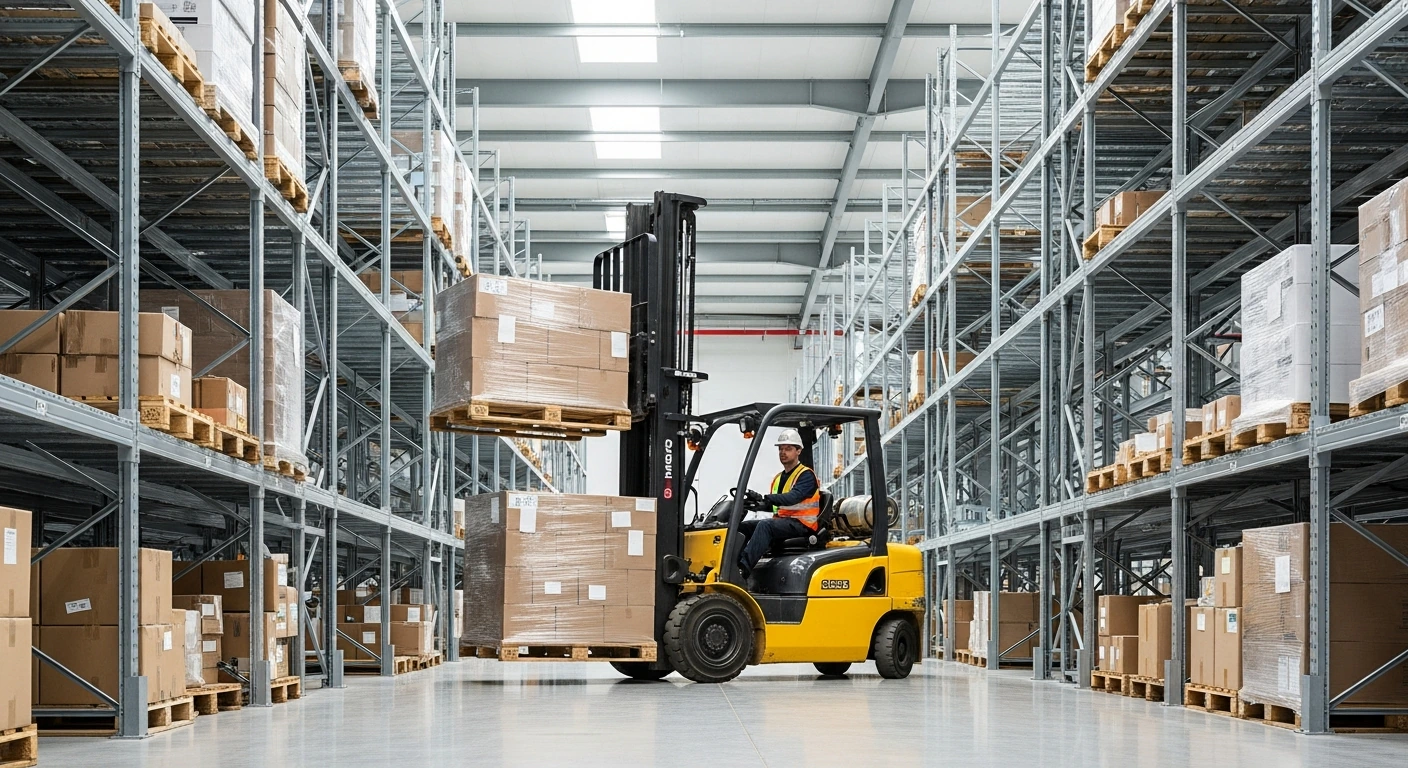

Equipment leasing works in ten steps. You pick the equipment, apply with a lessor, make fixed monthly payments for the term, and then choose to buy, renew or return the equipment.
- Assess your equipment needs.
- Research equipment and vendors.
- Choose a leasing company.
- Prepare your application.
- Go through credit review and approval.
- Review and sign the lease agreement.
- Take delivery and installation.
- Make your lease payments.
- Maintain and insure the equipment.
- Choose an end-of-lease option.
Understanding the Basics: What is Equipment Leasing?
An equipment lease is a financial agreement that gives your business the right to use equipment for a set period in exchange for regular payments. You are the lessee. The lessor is the owner of the equipment or a finance company. There is a separate guide to equipment leasing with a fuller definition.
A lease does not give you ownership. It works more like a long-term rental. In return you get lower upfront costs, predictable monthly payments, and potential tax benefits, covered below.
The Step-by-Step Equipment Leasing Process
The equipment leasing process in Canada runs from assessing your needs to choosing what happens at the end of the lease. Here are the ten steps in detail.
1. Assessing Your Equipment Needs
Assessing your needs means defining the equipment you need. Pin down the type of equipment, the features and capability it must have, how long you will need it, and the budget you can carry. Those four answers narrow your options and point you to the right equipment and lease term.
2. Researching Equipment and Vendors
Researching means comparing the models you need and the vendors who sell them. Weigh quality and reliability, the vendor's reputation and service, price and availability, and the warranty and maintenance terms. Get quotes from a few vendors. Ask for a demo or trial so you know the machine does what you need before you commit.
3. Choosing a Leasing Company
A leasing company is the lessor that pays for the equipment and holds the lease. Look for a reputable one that knows your industry and the Canadian market. Compare rates and fees, flexibility of terms, approval speed, quality of service, and understanding of Canadian tax law.
4. Preparing Your Application
A lease application covers your business details, financial statements, bank statements and credit history. The business details include your legal name and address, contact information, structure (sole proprietorship, partnership, or corporation), industry, and years in business. The leasing company uses all of it to gauge your creditworthiness and eligibility for a lease.
5. Undergoing Credit Review and Approval
A credit review is the leasing company's check of your credit history, your financials, and your ability to make the payments. Your credit score matters, but so do your debt load, profitability, and time in business. If you are approved, the leasing company sends a lease agreement setting out the terms.
6. Reviewing and Signing the Lease Agreement
The lease agreement sets the lease term, payment schedule, lease rate (the interest rate built into the deal), any purchase option, and your end-of-lease choices. Read it line by line before you sign. If a clause is unclear, ask, and consider having a professional review it.
7. Equipment Delivery and Installation
Delivery happens once the paperwork is done: the leasing company pays the vendor and the equipment ships to you. Depending on the machinery, you may also need to arrange installation and operator training. Confirm everything arrives in working order and matches the agreement before you sign off on delivery.
8. Making Lease Payments
Lease payments are fixed monthly amounts paid on the schedule in your agreement. A fixed amount makes budgeting easier, and on-time payments keep your business credit healthy for future financing. Many lessors will set up automatic payments.
9. Maintaining and Insuring the Equipment
Maintenance and insurance are usually the lessee's responsibility during the term. That means following the manufacturer's service schedule, handling repairs promptly, and carrying the insurance the agreement requires against damage, theft, and loss. Good upkeep protects the machine, holds its value, and keeps you in compliance with the lease.
Tip: Consider a Master Lease Agreement
If you expect to lease more equipment later, ask about a master lease agreement. It sets the terms once, then lets you add machines under the same framework without renegotiating each time.
10. End-of-Lease Options
End-of-lease options are the three choices you typically have when the term ends: renew for another term, buy the equipment at fair market value or a price set in advance, or return it to the leasing company. The right choice depends on your business needs and the lease contract. Contact the lessor well before the term ends to discuss it.
Benefits of Equipment Leasing for Canadian Businesses
Equipment leasing gives Canadian businesses five main benefits:
- Low entry cost: no large initial outlay to put the equipment to work.
- Fixed payments: the same monthly amount makes budgeting and planning simpler.
- Possible tax deductions: payments may be deductible as a business expense, which lowers your tax bill. Ask your accountant how this applies under CRA guidelines.
- Newer technology: you can upgrade more often.
- Preserved capital: your money stays free to invest elsewhere, and end-of-lease options let you adapt as the business changes.
Tax Implications of Equipment Leasing in Canada
The Canada Revenue Agency generally lets a business deduct lease payments as an expense, which lowers taxable income. The exact treatment depends on the lease type and the equipment. A true lease (an operating lease) usually lets you deduct the full payment, while a capital lease is handled differently. A tax professional can confirm how your lease is treated.
Choosing the Right Type of Equipment Lease
There are three main types of equipment lease: operating leases, capital leases and sale-leasebacks. The first two compare like this:
| Operating lease (true lease) | Capital lease (finance lease) | |
|---|---|---|
| Term | Shorter | Longer |
| Ownership | Lessor keeps ownership | Effectively moves to you over the term |
| Books and tax | Payments usually treated as fully deductible operating expenses | Equipment carried as an asset on your balance sheet and depreciated over its useful life |
A sale-leaseback has you sell equipment you already own to a leasing company and lease it back. That frees up capital while you keep using the machine. The best fit depends on your finances, your tax goals, and how long you need the equipment. An equipment financing professional can help you structure the lease.
Navigating Equipment Leasing in Different Canadian Provinces
Equipment leasing works the same way across Canada, with minor provincial differences in regulation and tax. Sales tax (GST/HST) rates differ by province, which changes the total cost of your lease. Some provinces also run their own incentives or programs for equipment purchases. A local financial advisor or leasing specialist can flag anything province-specific that applies to you.
Frequently Asked Questions
What types of equipment can be leased?
Almost any business equipment. Construction equipment and heavy machinery, manufacturing lines, medical equipment, office equipment, restaurant equipment, transportation fleets, and technology are all leased every day, whether new or specialized. If your business runs on it, you can likely lease it rather than buy it outright.
What credit score is needed to qualify for equipment leasing?
Usually 650 or higher. That is what many leasing companies like to see, but your business's financial history and your industry count too. A lower score does not automatically rule you out.
Can I lease equipment if my business is new?
Yes. You may need to offer more security, such as a personal guarantee or a larger down payment, and some leasing companies make a point of working with startups. The guide to equipment financing explains how it works for newer companies.
What happens if I can't make my lease payments?
Call the leasing company right away. They will often work out a payment plan or a short deferral. If payments keep being missed, they can repossess the equipment and go to court to recover what is owed.
Is equipment leasing better than buying?
It depends on your needs and finances. Leasing tends to win when capital is tight, you want the latest technology, you would rather skip the responsibilities of ownership, or you value predictable payments. Buying outright tends to win when you will use the equipment for a long time, want to build equity, and do not mind ownership.
Ready to lease your next piece of equipment? Apply for equipment financing or estimate your monthly payment.
Share this article
Need Equipment?
Get approved for equipment financing in as little as 24 hours. No obligation application.
Get a Free QuoteOr call us directly
1-833-924-9554