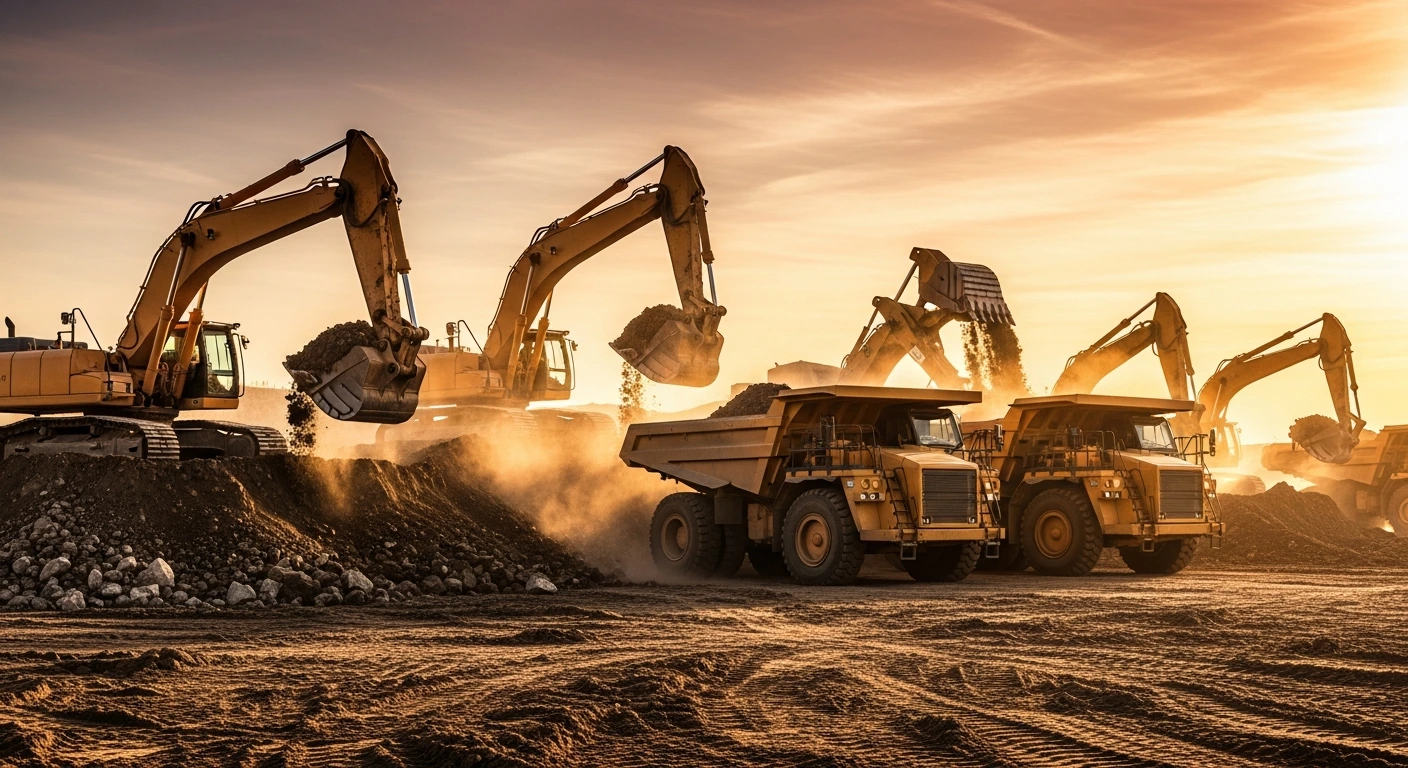

Most equipment leases in Canada run 24 to 84 months, and 36 to 60 months is the most common term. The right length depends on the equipment, how long it stays useful, your finances, and the lessor's policies.
Typical Equipment Lease Terms in Canada
A lease term is the length of time you pay to use the equipment. Most equipment leases in Canada run 24 to 84 months (two to seven years), and most deals fall between 36 and 60 months. Shorter and longer terms exist but are less common.
| Term | Length | Suits | Trade-off |
|---|---|---|---|
| Short | 12 to 36 months | Equipment that dates quickly: computers, software, some medical devices | Frequent upgrades instead of outdated technology |
| Mid-length | 36 to 60 months | Construction equipment, manufacturing lines, transport vehicles | Balances cost against a fair period of use |
| Long | 60 to 84 months | High-value, long-life assets: large industrial machinery, heavy equipment | Lower monthly payments for a longer commitment |
Factors Influencing Equipment Lease Terms
Five factors decide how long an equipment lease runs: the type of equipment, its lifespan, your financial situation, the lessor's policies, and tax treatment.
Type of Equipment
The type of equipment is the biggest factor in lease length. Long-life assets such as heavy and industrial machinery generally qualify for longer terms. Anything that goes obsolete quickly, like computers or fast-moving technology, suits a shorter one. Consider the depreciation rate and how fast the technology changes.
Equipment Lifespan
Equipment lifespan is how long a machine stays useful, and lessors usually set the lease term around it. A lease that runs past that point brings maintenance problems and falling efficiency. A lease that is too short never captures the equipment's full value. Look up the average lifespan for your machine and use it as your guide.
Lessee's Financial Situation
Your financial situation is your credit and overall financial health, and it shapes the offer you get. A good credit rating and a steady history usually unlock better terms, lower rates, and longer options. The lessor will assess your ability to pay on time and may ask for financial statements, tax returns, and bank references. A solid profile gives you more room to negotiate.
Lessor's Policies
Lessor policies are the term rules each leasing company sets for itself. Some lessors specialize in certain equipment or industries and tailor terms to fit. Others use standard lengths based on a risk model. Compare a few on rates, fees, and end-of-term options before you commit. The Business Development Bank of Canada warns buyers to “Avoid being influenced by aggressive marketing campaigns that make unrealistic claims.” (BDC) Equipment Leasing Canada works with a network of lenders.
Tax Implications
Tax treatment depends on the type of lease. Operating lease payments are generally deductible as a business expense. With a capital lease, you claim capital cost allowance plus interest instead. A tax professional can tell you how this applies to you, and the Canada Revenue Agency publishes detailed guidance on lease accounting and deductions.
Tip
Before you sign, read the full terms, including the duration, the payment schedule, and the end-of-term options. Get legal and financial advice so the deal fits your goals and your budget.
How to Choose the Right Equipment Lease Term
To choose a lease term, match it to the equipment's useful life and the monthly payment your cash flow can carry, then compare quotes.
- Assess your equipment needs: the specific equipment, its expected life, and what it does for productivity and revenue.
- Review your finances. Look at your cash flow, credit, and debt load to see what monthly payment you can carry.
- Compare quotes from a few providers on terms, rates, fees, and end-of-term options, then negotiate.
- Check the tax side with a tax professional, and factor in obsolescence. If the equipment dates quickly, choose a shorter term so you can upgrade.
- Plan for the end of the term. Decide whether you are likely to buy the machine, renew, or return it.
Benefits of Different Lease Durations
Short, mid-term, and long leases each suit different needs.
Short-Term Leases (12-36 months)
A short-term lease runs 12 to 36 months and keeps you flexible. You can upgrade often and stay on current technology, and the upfront cost is lower than buying outright. Some agreements include maintenance and repairs, handled by the dealer.
Mid-Term Leases (36-60 months)
A mid-term lease runs 36 to 60 months and balances cost against a good share of the asset's life. Payments are predictable, which makes budgeting easier. Many of these deals include a purchase option, so you can buy the machine at the end if it is still earning its keep.
Long-Term Leases (60-84 months)
A long-term lease runs 60 to 84 months and lowers the monthly payment, which makes high-value equipment easier to afford. You get extended use and fewer replacement cycles. With an operating lease, the payments are generally deductible, which brings some tax savings over the term. For equipment you plan to run hard for years, it is often the most economical route.
Related guides cover equipment leasing, equipment financing, and how equipment leasing works.
Ready to set up your lease? Apply for equipment financing or estimate your monthly payment.
Frequently Asked Questions
What happens at the end of an equipment lease?
You buy the equipment, renew, or return it. You can usually buy at fair market value or a price fixed in advance. Your lease agreement decides which options you have: some include a bargain buyout, others require a return.
Can I terminate an equipment lease early?
Sometimes, but it is usually difficult and expensive. Most agreements set the cost as a termination fee or the balance of the lease payments. Some allow an early exit under specific conditions, such as equipment failure. Read your contract and get legal advice first.
Are there different types of equipment leases?
Yes. The two main types are operating and capital. An operating lease is typically shorter: the provider keeps ownership, and you pay to use the equipment. A capital lease works more like a financing agreement: you take on the risks and rewards of ownership, and it is recorded as a purchase for accounting. The type affects your taxes and your financial reporting.
How do I apply for equipment leasing in Canada?
Submit an application to a leasing company with financial statements, tax returns, and bank references. The company reviews your credit. Once you are approved, you sign the agreement and start your payments. You can apply for equipment financing online.
Share this article
Need Equipment?
Get approved for equipment financing in as little as 24 hours. No obligation application.
Get a Free QuoteOr call us directly
1-833-924-9554