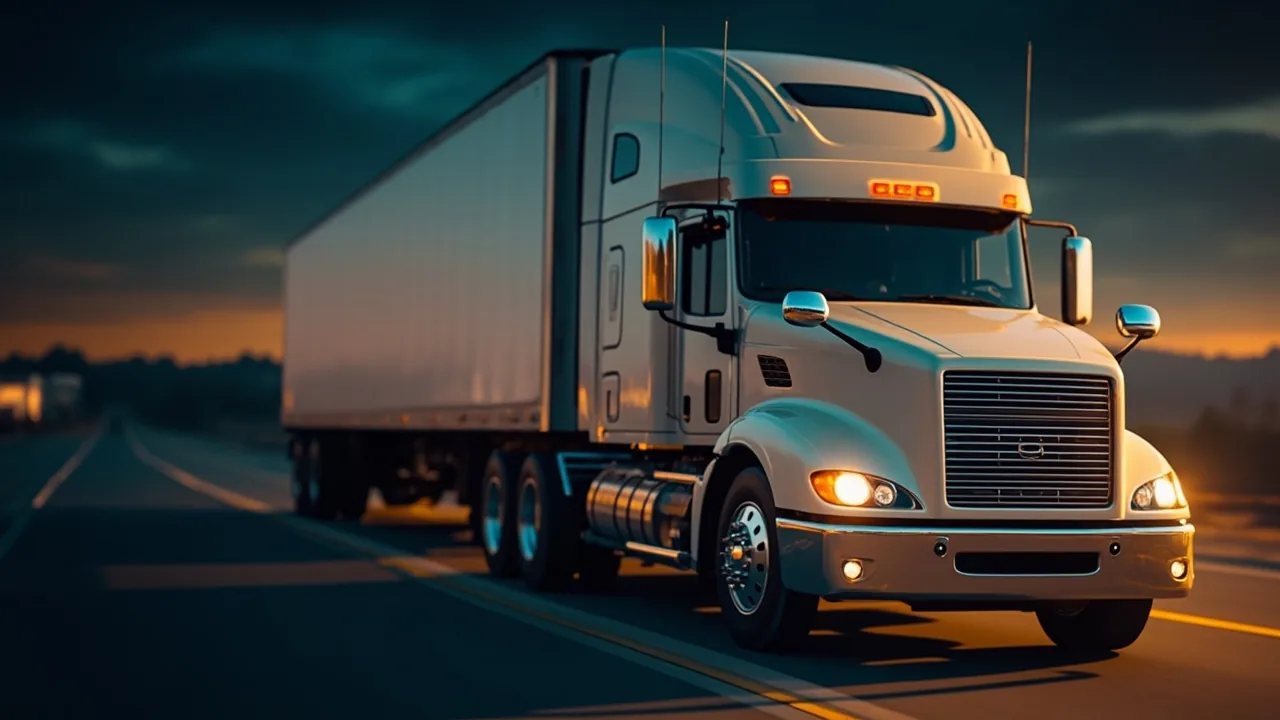
Leasing Class 8 Semi-Trucks for Long-Haul

Most Canadian carriers lease their Class 8 tractors rather than sink capital into each truck, spreading the cost of the fleet as it grows.
Understanding Class 8 Semi-Trucks for Long-Haul Operations
A Class 8 is the heaviest commercial truck on Canadian roads, with a gross vehicle weight rating above 14,969 kilograms. These trucks are built for long haul, pulling semi-trailers over long distances with the reliability Canadian freight demands. They move goods coast to coast, linking manufacturers, retailers, and consumers across every province and territory.
People use “semi” and “truck” interchangeably, but the tractor (the cab and engine) pairs with whatever trailer the load calls for. For long haul, a dependable Class 8 with the right trailer moves freight efficiently while meeting Canada's safety and weight rules, along with the licence plates and permits that come with heavy hauling.
The Case for Leasing Class 8 Semi Trucks
More Canadian carriers are finding that leasing a Class 8 beats buying outright. Instead of putting large amounts of capital into a fleet, you keep working cash free while still running the trucks your customers need.
Financial Flexibility and Cash Flow Management
The main financial benefit is a predictable monthly cost. Instead of a large upfront purchase that locks up capital, a lease spreads the cost over time and frees money for fuel, driver pay, and growth. For many carriers, preserving that cash keeps the operation healthy.
Renting and leasing are not the same. A short rental can cover a seasonal spike, but a lease brings the stability and cost predictability that steady long-haul work needs. For ongoing freight, a structured lease is far easier to plan around.
Tax Advantages for Canadian Businesses
Operating lease payments on a business vehicle are generally deductible as a business expense, which lowers the real cost of each payment at your marginal rate in any province or territory. The Canada Revenue Agency's guidance on leasing costs says to “Deduct the lease payments incurred in the year for property used in your business.” (CRA) With a capital lease or a loan, you claim capital cost allowance plus interest instead.
The GST/HST you pay on lease payments may also come back as input tax credits, depending on your structure and how the truck is used. An accountant who knows transportation can help you claim everything you are entitled to and keep your CRA paperwork in order.
How Leasing a Semi-Truck Works in Canada
Leasing a semi-truck starts with an application to a lessor, who assesses your creditworthiness, revenue history, and how you will use the truck. Canadian lenders look at time in business, annual revenue, existing debt, and the principals' credit.
Credit Score and Qualification Requirements
Most lenders want a business credit score of around 600 to 650 or higher, though thresholds vary. The score is not the whole story. Lenders also weigh stability, steady revenue, and your track record running and maintaining trucks. A lower score can still work with a larger down payment or a lender that specializes in transport financing.
Equipment Leasing Canada works with applicants across the credit spectrum.
Lease Terms and Structures
A commercial lease on a Class 8 usually runs three to five years, with flexible setups for specific needs. You make regular monthly payments and run the truck through the term. At the end, you can typically buy it at residual value, return it, or move up to a newer model.
Monthly Payments and Cost Considerations
Your monthly payment depends on the price, the term length, your down payment, current rates, and whether maintenance is bundled in. A new Class 8 built for Canadian long haul might cost $150,000 to $250,000, with payments of around $2,500 to $5,000 a month over five years.
A used truck can lower that considerably while still handling demanding routes. Many Canadian operators find a certified pre-owned Class 8 offers the best balance of value and capability.
Planning Your Truck Lease Budget
When you plan the monthly budget, look past the base payment to fuel, insurance, and any charges for going over your mileage cap. A full picture keeps the lease affordable through the term and the routes profitable.
Maintenance and Fleet Management Benefits
Long haul is hard on a Class 8, with engines running for hours and components wearing quickly. Maintenance is central to any fleet plan, and many commercial leases include maintenance terms that keep the truck in shape through the term and protect both sides.
If you would rather handle service in-house, a lease can still give you more room than ownership, and some agreements cover standard repairs. Know your responsibilities, though, since wear or damage beyond normal use can mean charges at the end of the lease.
A well-serviced truck uses less fuel, breaks down less, and lasts longer. For a Canadian operator dealing with Prairie blizzards, mountain passes, and northern highways, that reliability is essential.
Leasing vs. Buying: Making the Right Choice
Whether to lease or buy depends on your finances and how you operate. The trade-offs:
| Buying | Leasing | |
|---|---|---|
| Upfront cash | High | Far less, preserving capital |
| Equity | Builds immediately, and the payment ends once the truck is paid off | None during the term |
| Mileage | No cap, and you are free to modify, sell, or keep the truck | Agreements usually set limits a long-haul operator has to watch |
| Depreciation | The truck loses value the whole time you own it | Easy fleet turnover keeps you in newer, more fuel-efficient trucks |
| Tax | Capital cost allowance | Operating lease payments are generally deductible |
For many Canadian carriers, especially those growing or those that value flexibility, leasing is the better fit. Regular upgrades, predictable costs, and favourable tax treatment add up to a strong case.
Your Next Steps Toward Leasing Class 8 Semi Trucks
Equipment Leasing Canada finances equipment for businesses in every industry, including carriers growing an existing fleet and those starting out in long haul.
Ready to lease a Class 8 truck? Apply for equipment financing or estimate your monthly payment.
For more background on commercial vehicle financing, there are guides to equipment leasing and how equipment leasing works.
Frequently Asked Questions
Is it better to lease or buy a semi-truck?
It depends on your fleet. Buying suits an established fleet with stable cash flow and plans to run the same trucks for years. Leasing fits a growing carrier that wants flexibility, working capital, and regular upgrades, and the CRA deductions on operating lease payments make it especially attractive. Many carriers find leasing the better balance, particularly when starting out or expanding.
What is the monthly payment on a semi-truck?
$2,500 to $5,000 a month is typical for a long-haul truck worth $150,000 to $250,000 over five years. A used truck or a longer term brings that down. A personalized quote from a Canadian financing specialist gives you the most accurate number.
What is the minimum credit score to lease a truck?
Around 600 to 650 for a business credit score, at most Canadian lenders. Lenders also weigh how long you have been in business, your revenue, existing obligations, and your history running commercial trucks. A weaker file can often still qualify with a larger down payment or a lender experienced in transport, such as Equipment Leasing Canada.
How does leasing a semi-truck work?
You choose a Class 8 for your routes, apply to a lessor, and get credit approval. You then sign a lease that sets the term, payments, mileage, and maintenance terms. Through the term, usually three to five years, you make monthly payments and run the truck. At the end, you can buy it at residual value, return it, or upgrade to a newer one.
Share this article
Need Equipment?
Get approved for equipment financing in as little as 24 hours. No obligation application.
Get a Free QuoteOr call us directly
1-833-924-9554