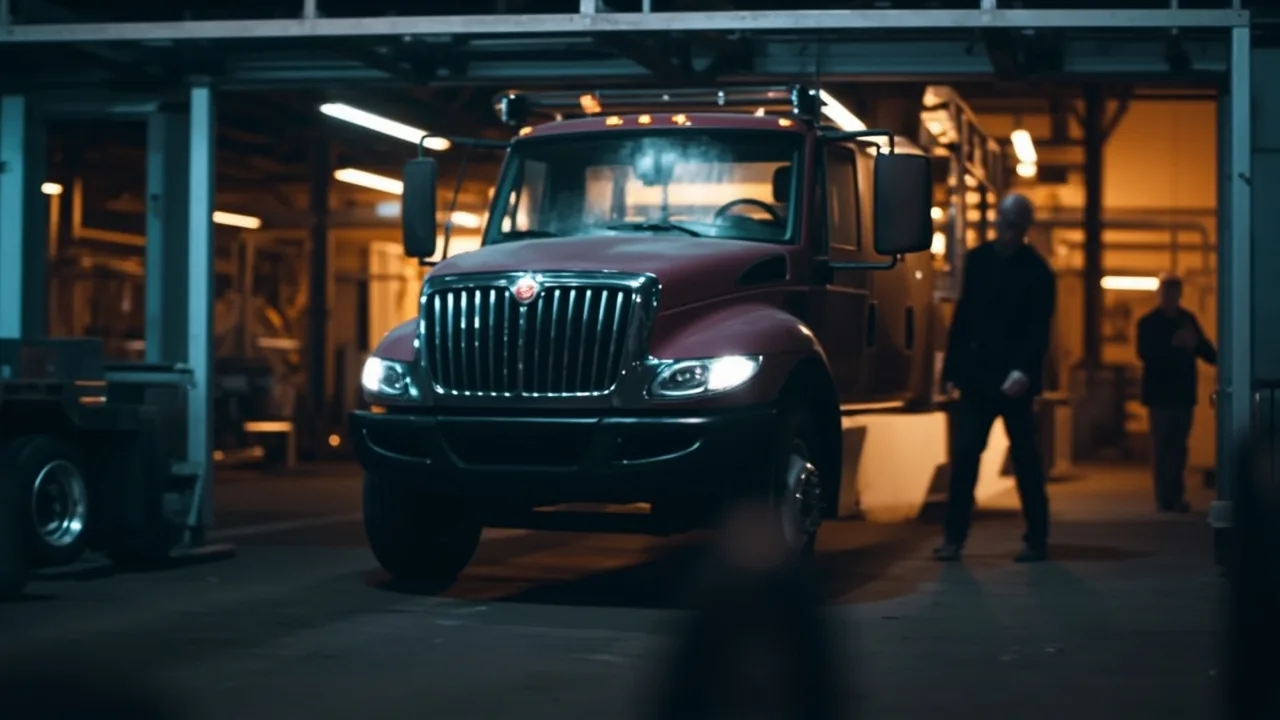

A day cab is the truck that runs regional freight: a tractor with just a cab, no sleeper berth, built for a driver who is back at base by the end of the shift. For a Canadian carrier, leasing day cabs rather than buying keeps the trucks current and the cash free for the rest of the operation.
Lighter, more manoeuvrable, and more fuel-efficient than a sleeper, day cabs are made for short-haul and urban delivery. For most fleets the question is not whether to run them but whether to lease or own them.
What Is a Day Cab and Why Lease One
A day-cab tractor is a long-haul truck without the sleeping compartment, with just the cab a driver needs for one shift. Hooked to a trailer, it hauls regional freight all day, then heads home. Some carriers run box trucks alongside for lighter loads, but the day cab is the backbone of regional work.
Leasing means you do not sink capital into a truck that loses value from the day it leaves the lot. The cash stays available for fuel, driver pay, and the next contract, while you still run newer, well-kept trucks.
Why Canadian Freight Operators Lease Day Cabs
Canadian carriers lease day cabs mainly to keep working capital free for fuel, payroll, and growth while still running reliable trucks. That approach tends to grow a fleet faster than putting cash into ownership.
A full-service lease can also roll truck maintenance into one steady monthly amount, without the unexpected repair bills that come with ownership. With maintenance done to spec, your trucks keep meeting motor vehicle safety standards and stay on the road instead of in the shop.
Tax Tip for Canadian Businesses
Ask your accountant about the deductibility of commercial vehicle lease payments under the Income Tax Act. Operating lease payments generally qualify in full as a business expense, while a capital lease is deducted through capital cost allowance plus interest. The GST/HST you pay may come back as input tax credits, which can make leasing more tax-efficient than owning.
Lease vs Buy for Your Fleet
The lease-or-buy decision starts with cash. Every dollar locked in truck ownership is a dollar not working in fuel, drivers, or your next bid. Many Canadian carriers lease for exactly that reason.
Buying has its own case. If you own the trucks, maintain them well, and run them for years, you build equity and might pay less over the long term. Leasing trades some of that for freed-up capital, bundled maintenance, a regular upgrade cycle, and deductible payments: the Canada Revenue Agency's guidance on leasing costs says to “Deduct the lease payments incurred in the year for property used in your business.” (CRA) The answer comes from comparing your own total cost of ownership against the lease, on both cost and operations.
Planning for the Future of Regional Freight
Fleet planning means looking ahead at your business, the industry, and where Canadian regulations are going. Electric and alternative-fuel trucks are becoming practical for regional work, especially urban delivery, where range matters less than on long haul. A lease lets you adopt that technology when it is ready, without the stranded-asset risk early owners face when the technology moves ahead of them.
Ready to lease a day cab? Apply for equipment financing or estimate your monthly payment.
Frequently Asked Questions
What is the difference between a day cab and a sleeper cab truck?
A day cab has no bunk, just the cab for a single shift, which suits regional routes that end at home base. A sleeper adds a berth, a bed, and storage for long-haul work where the driver stays overnight on the road. Day cabs are lighter, easier to manoeuvre, and more fuel-efficient.
Can I write off my commercial truck lease payments in Canada?
Yes, if it is an operating lease. Operating lease payments are generally fully deductible as business expenses under the Income Tax Act. With a capital lease, you claim capital cost allowance plus interest instead. If you are registered, the GST/HST you pay can usually be recovered as input tax credits. The exact treatment depends on your structure and use, so check with an accountant.
What does a full service lease include for day cabs?
Most vehicle costs, in one monthly payment: scheduled maintenance, emergency repairs, roadside assistance, licensing and registration, and often a replacement truck while yours is being serviced. Some also add fuel management, insurance administration, and fleet reporting. It replaces the unpredictability of ownership with one steady amount.
How long can I lease a commercial truck in Canada?
Usually three to five years, with shorter or longer terms available depending on the lessor and the truck. Shorter terms let you replace trucks more often, while longer ones lower the monthly cost. At the end, you can typically buy at fair market value or a set price, extend, or return the truck and start a new lease.
What maintenance is required for day cabs operating in Canadian winters?
Cold-weather systems need the most attention: batteries, block heaters, the cab heater, and antifreeze. Cold and road salt wear down tires, brakes, and electrical systems, so wash the truck often and check the undercoating. On a full-service lease, this maintenance is done to spec under the agreement, so the truck is ready at minus thirty.
How do I determine if leasing is better than buying for my fleet?
Compare the total cost of ownership against the lease for your own situation, weighing both cost and operations. Leasing frees capital, brings deductible payments, can include maintenance, and lets you upgrade regularly. Owning builds equity and may cost less over the long term if you maintain the trucks well. Your capital, taxes, need for flexibility, and tolerance for operational complexity all factor in.
Share this article
Need Equipment?
Get approved for equipment financing in as little as 24 hours. No obligation application.
Get a Free QuoteOr call us directly
1-833-924-9554