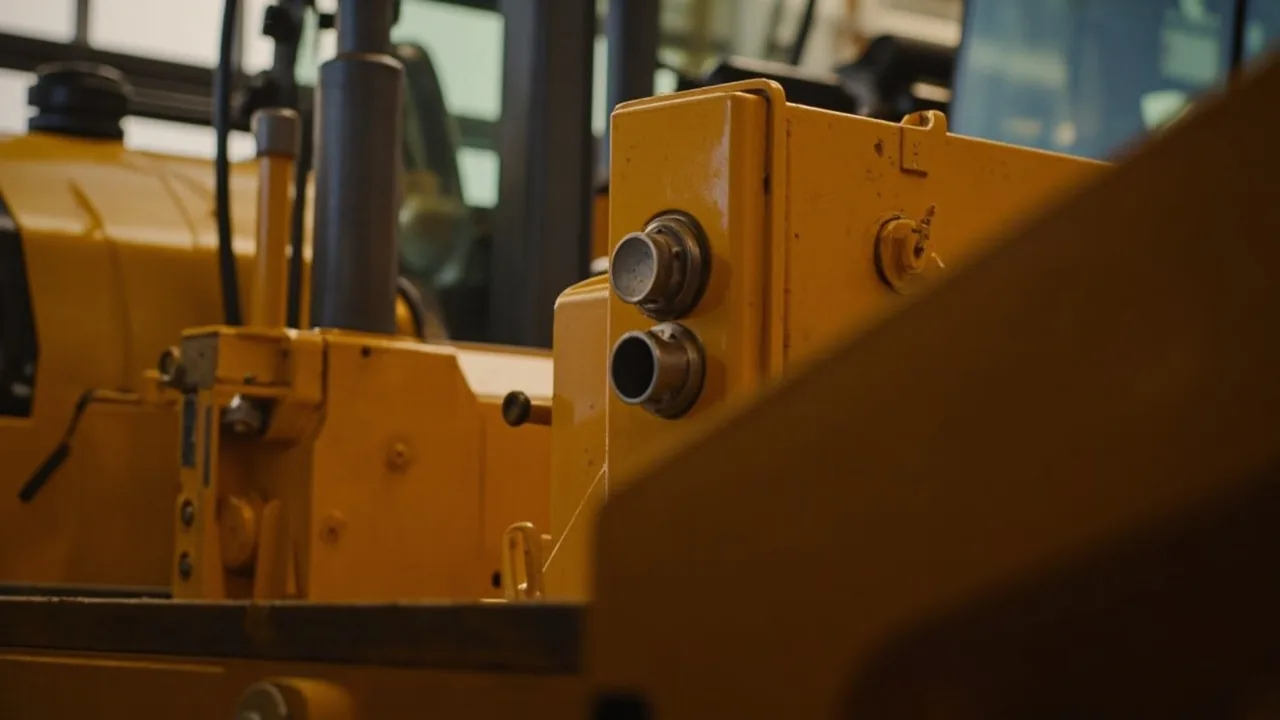

A feller buncher cuts a standing tree and stacks several before the skidder arrives, and leasing a high-capacity model lets a Canadian forestry operation scale its harvest without tying up cash.
Forestry is a major part of Canada's economy, employing hundreds of thousands of people from B.C. to New Brunswick. Few machines matter as much to harvesting timber efficiently as the feller buncher, which cuts and gathers in one pass. The problem is the price: buying one outright can strain even a solid business, which is why many forestry companies lease instead.
Understanding Feller Bunchers and Their Role in Forestry Operations
A feller buncher is a machine built to cut, gather, and sometimes move felled trees. A rotating head with saws or shears cuts through trunks of all sizes and bunches them for faster processing down the line. High-capacity versions handle bigger timber and rougher ground, which makes them essential for commercial harvesting across Canada's varied forests.
A quality high-capacity buncher can cost more than several hundred thousand dollars, with premium models well over a million. For a smaller operator, or anyone expanding a fleet, that is a large capital commitment that limits flexibility elsewhere. Leasing gets you the machine while keeping cash free for fuel, labour, and upkeep.
The Financial Case for Leasing Feller Bunchers
Leasing a feller buncher turns a large upfront purchase into manageable payments you can budget across the year. Whether to lease or buy depends on your finances, your cash flow, and your longer-term plan.
Preserving Capital for Operational Excellence
The strongest reason to lease is keeping working capital. A forestry operation faces many variable costs: fuel that moves with the loonie, seasonal demand, and upkeep you cannot fully predict. When you lease, you keep your credit lines and reserves for when an opportunity or a problem comes up.
Consider a B.C. company that wins a new harvesting contract in the interior. Rather than drain reserves to buy another machine, it structures a lease that matches the contract length and the incoming cash. That flexibility can decide whether a company wins a competitive bid.
Tax Advantages Available to Canadian Businesses
Operating lease payments are generally deductible as a business expense in the year you pay them. A machine you buy, by contrast, is depreciated over time under the CRA's capital cost allowance schedule, and the same applies to a capital lease, where you claim capital cost allowance plus interest. The Canada Revenue Agency's guidance says to “Deduct the lease payments incurred in the year for property used in your business.” (CRA)
For a lot of forestry equipment, a lease can bring deductions earlier and in larger amounts. Expensing the cost instead of capitalizing it can meaningfully cut taxable income in the good years when you need more capacity. HST/GST can also apply differently to a purchase and a lease, so ask your accountant about the best approach.
Equipment Leasing Options for Forestry Companies
Forestry companies mainly choose between operating and capital leases. Each trades off flexibility, ownership, and predictable cost differently.
Operating Leases for Maximum Flexibility
An operating lease runs shorter with lower monthly payments. It suits an operation that upgrades often or runs project-based work where needs shift. At the end, you can typically return the machine, buy it at fair market value, or move into a newer model.
Capital Leases for Ownership Goals
A capital lease, or finance lease, works more like a loan and is built so you end up owning the buncher, often with a token buyout at the end. The monthly payment is higher than on an operating lease, but you build equity throughout the term.
Tip for Canadian Forestry Businesses
When you compare options, look at the total cost over the machine's useful life. A slightly higher payment on a capital lease can cost less overall once you factor in owning a well-maintained buncher with plenty of service life left.
Factors to Evaluate Before Signing a Lease Agreement
Several factors decide the real cost and fit of a lease. Before you sign, check:
- how the term length compares with the machine's working life
- whether upkeep is bundled in or handled separately
- what a buyout costs at different points
- the early-termination rules and any penalties
- the insurance the agreement requires versus what you already carry
- the residual-value assumptions built into the payment
- whether the rate is fixed or floating
Your terrain matters too. A buncher built for the flat ground of Saskatchewan or Alberta is very different from one made for the steep, broken ground common in B.C. and Quebec. Matching the machine to your actual conditions avoids costly downtime and gets more out of it.
Maintenance Considerations for Leased Forestry Equipment
Servicing a leased machine means following the manufacturer's specs and the lease terms. With a buncher you own, upkeep is entirely your decision. A lease often specifies which service providers, intervals, and records you must use to keep the warranty and meet the agreement.
A high-capacity buncher works hard, which wears cutting heads, hydraulics, and the undercarriage quickly. A proactive service schedule prevents breakdowns that stall a harvest and can breach the lease's condition terms. Many agreements set allowable wear and charge extra if the machine comes back in worse shape than expected.
Some leases include dealer service in the monthly payment, giving you predictable costs and qualified technicians on every job. That is especially useful for a remote operation where keeping specialized service on hand is difficult. Agree on the upkeep terms before you sign so the responsibilities are clear.
Ready to lease a feller buncher? Apply for equipment financing or estimate your monthly payment.
Frequently Asked Questions
What credit score is typically required to lease a feller buncher in Canada?
There is no fixed score, and requirements vary. Most leasing companies look at the overall health of the business, not just a personal score. Revenue, time in operation, existing debt, and the value of the machine all feed the decision. A weak credit history can still work, especially when the equipment itself is the collateral.
Can I lease multiple feller bunchers at once for my forestry operation?
Yes. Equipment Leasing Canada can combine several machines in a single agreement, which keeps administration simple and can improve the overall terms compared with financing each one separately. Tell our team your fleet plans and we will build a package around them.
What happens if I want to upgrade my leased feller buncher before the lease ends?
Many agreements allow an early upgrade or swap, though the terms differ. Some let you exit early with a penalty, while others move you straight into a new lease on a newer machine. Settle the upgrade terms before you sign.
Are there seasonal payment options for forestry equipment leases in Canada?
Yes, from some leasing companies. Payments can be lighter through the off months and heavier in peak season, which helps you manage cash across the year. The overall cost may differ slightly from equal monthly payments.
Share this article
Need Equipment?
Get approved for equipment financing in as little as 24 hours. No obligation application.
Get a Free QuoteOr call us directly
1-833-924-9554