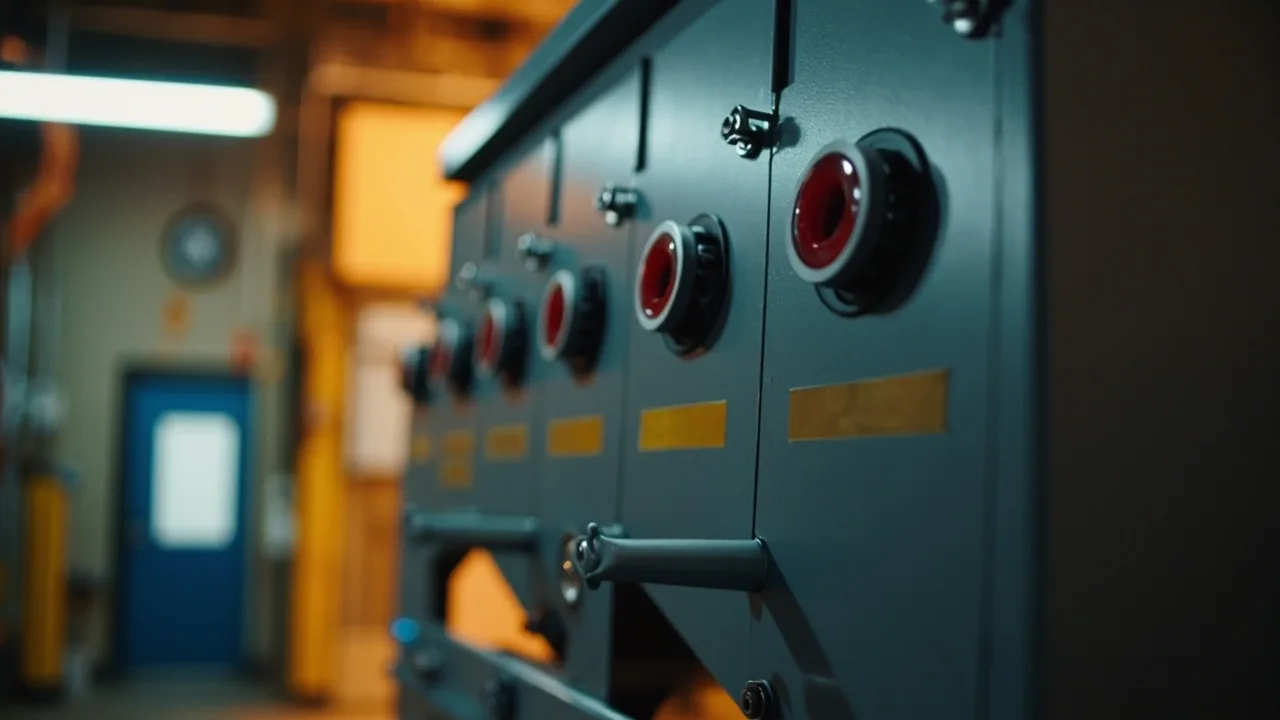

A grain dryer pulls moisture from the harvest so it stores without spoiling, and leasing one lets a Canadian farm dry more grain in a wet fall without a big capital purchase.
Drying matters in Canada, where short seasons and unpredictable weather make a timely harvest critical. When the combines roll in a narrow window of good weather, reliable drying gets the crop down to a safe moisture for storage and sale. More Canadian farms are leasing their dryers to keep working cash free while still getting professional-grade drying when they need it.
Why Lease Grain Drying Equipment
Ready to lease a grain dryer? Apply for equipment financing or estimate your monthly payment.
The technology also moves quickly. New systems with smarter sensors, automated controls, and better energy efficiency appear regularly, and they run cleaner and cheaper. A lease lets you move to a newer model at the end of the term without having to sell an outdated machine you own.
Approval also tends to be quick, which matters when drying season is close. Providers who know agriculture move approvals through so the dryer arrives when you need it.
Benefits for Canadian Farms and Agricultural Operations
Leasing through a Canadian provider lets you choose a system matched to your crop and your region. Seasons vary widely across the country, from prairie wheat and canola to the mixed crops of Ontario and Quebec.
It also keeps your bank lines open for everything else. A farm spends on seed, fertilizer, fuel, and labour all season, and putting a large sum into owned equipment reduces the flexibility you need when input prices and commodity markets move.
Maintenance is another factor. Many leases include service terms from the dealer or set clear responsibility for upkeep, which makes budgeting simpler and keeps a surprise repair from hurting your finances at harvest, the worst possible time.
Canadian Tax Advantages
Operating lease payments are generally deductible as a business expense under Canadian tax rules. With a capital lease, you claim capital cost allowance plus interest instead, as you would on owned equipment. Talk to a tax professional about how a lease affects your situation.
Understanding Grain Drying Equipment Options
Industrial grain dryers come in a few types, each suited to a different scale. Continuous-flow units handle high volumes, which fits a large commercial operation moving a lot of grain at harvest. Batch dryers handle less at a time but adapt better to variable amounts or several crop types that each need their own drying settings.
Every dryer does the same basic job: it applies controlled heat and manages airflow to bring moisture down to a safe storage level. Modern units monitor temperature, air, and moisture in real time and adjust automatically, which reduces supervision and keeps results consistent across a large run.
Bin drying is a third option, where grain dries in the storage bin with added heat and aeration. It suits farms that want a smaller footprint and less handling. The right system depends on your volume, your space, your power supply, and the crops you grow.
How Equipment Leasing Works for Agricultural Operations
A lease is a contract in which you make regular payments to use the dryer over an agreed term, usually two to five years for farm equipment. At the end, you can typically buy the system at fair market value, extend, or return it and move into something newer.
The application looks at your credit and farming history, as with any equipment financing. A farm with a track record and a reasonable credit profile usually qualifies without trouble, and providers offer different structures for different situations.
Payments stay fixed across the term, which helps when you plan the year's costs. Owning means anticipating repairs, upkeep, and eventual replacement. A lease tends to give you a clearer number to plan around and steadier cash flow.
Making Equipment Decisions for Your Farm Operation
Whether leasing fits depends on your needs, your finances, and where the farm is headed. A fast-growing operation, or one moving into new crops, often gains the most from the flexibility, since it gets the right equipment in place without a long capital commitment.
Owning makes sense for an established farm with steady needs and strong cash. Even then, leasing keeps money free for other opportunities or surprises, so compare the total cost of a lease against the flexibility it buys.
Before you choose, consider your peak volumes, your harvest windows, and the infrastructure you already have, so you get the right system and structure for the farm.
Planning Your Equipment Financing Strategy
A financing plan for drying equipment should look beyond this season. Your drying capacity should match your harvest volume, your storage, and your marketing. Undersize it and you create a bottleneck at harvest and risk the crop. Oversize it and you pay for capacity you never use.
Region matters too. Prairie wheat dries differently than Ontario corn or Quebec soybeans, so choose a system that fits your crops and the moisture levels you typically bring in from the field.
A relationship with one provider also helps as the farm changes. Your next step, whether more capacity or replacing a worn unit, goes more smoothly with someone who already knows your history.
Ready to Explore Equipment Leasing Options
Equipment Leasing Canada finances grain drying equipment for farms across the country, from a small family farm in Saskatchewan to a large commercial grain operation in Manitoba. We understand the timing pressure of harvest and move quickly on applications, so the dealer can get your dryer to you for the season.
Apply for equipment financing to lease a grain drying system for your farm.
Frequently Asked Questions
What types of grain drying equipment can I lease through Equipment Leasing Canada?
The full range: continuous-flow dryers, batch dryers, and bin systems. We work with suppliers across Canada to suit any size of operation, whether you grow wheat, corn, canola, soybeans, or anything else.
How long are typical lease terms for agricultural equipment like grain dryers?
Two to five years, depending on the dryer, its value, and your preference. Shorter terms give you more chances to upgrade, while longer ones lower the payment.
Are lease payments tax-deductible for Canadian farms?
Yes, for an operating lease. The Canada Revenue Agency's guidance says to “Deduct the lease payments incurred in the year for property used in your business.” (CRA) With a capital lease, or with owned equipment, you claim capital cost allowance plus interest instead. The treatment depends on your structure, so check with a qualified Canadian tax professional.
What happens at the end of my lease term for grain drying equipment?
You can usually buy at fair market value, extend month-to-month or yearly, return the equipment and lease something newer, or sign a new lease for different equipment. We go over the options with you before the term ends.
How quickly can I get equipment leased and operational for harvest?
As quickly as possible, with urgent harvest requests handled first. We process applications promptly and coordinate with suppliers, who deliver and set up the system. Timelines depend on availability and your location.
Share this article
Need Equipment?
Get approved for equipment financing in as little as 24 hours. No obligation application.
Get a Free QuoteOr call us directly
1-833-924-9554