Leasing Industrial Laser Cutting Systems

Canadian fab shops and manufacturers lease industrial laser cutting systems to get laser-cutting capacity onto the floor without a large upfront cheque.
An industrial laser cutting system is a big purchase, whether you run a custom metal shop in Ontario, a sign company in British Columbia, or a plant in Quebec. Laser technology keeps getting faster and more precise, but buying a machine outright can strain your cash and limit your other financing. That is why many Canadian shops lease instead.
Understanding Laser Cutting Technology
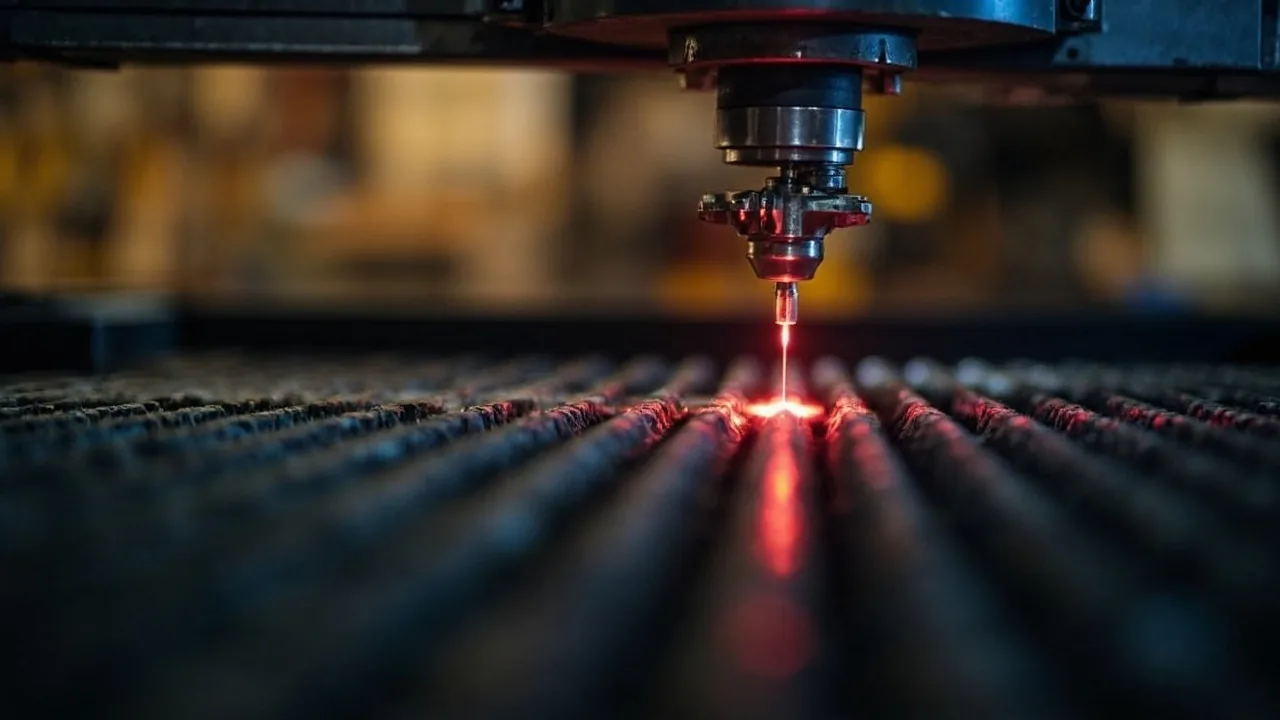
A laser machine, often called a laser cutter, fires a focused laser beam to cut or engrave a workpiece with high precision. Optics and CNC steer the beam so it traces the exact pattern your software sends it.
Laser cutters come in different types and power levels. CO2 lasers work best on non-metals such as acrylic, wood, leather, and fabric. Fiber lasers cut metal, including steel, aluminum, brass, and other alloys, which makes them the industrial favourite. Some shops run both, and many get by with one specialized machine.
The main appeal is versatility. One machine can cut intricate sheet-metal parts for automotive work, engrave serial numbers and branding, produce custom signage, prototype a design in an afternoon, or run a small batch with almost no tooling. That is why laser cutting shows up everywhere from aerospace work in Montreal to custom gift makers in Calgary.
Why Canadian Businesses Are Leasing Laser Equipment
Leasing a laser cutter keeps your working capital free for everything else: inventory, hiring, marketing, and the next opportunity. For a growing shop, that flexibility is worth a lot.
Leasing also protects you from obsolescence. The cutter you buy today might feel slow in five to seven years as makers release faster models with better software and lower power bills. With a lease, you upgrade at the end of the term instead of selling an old machine at a loss.
Fixed monthly payments are easier to budget than one large capital outlay on your balance sheet. For businesses with seasonal swings, which are common in Canadian construction, agriculture, and tourism, that predictability smooths out the year.
Leasing Options for Laser Cutting Systems
Laser cutter leases come in three main structures, each suited to a different goal.
Operating Lease
An operating lease works much like renting. You pay to use the machine for a set term, usually two to five years, then return it, renew, or sometimes move up to a newer model. It is the most flexible option and keeps you on current technology, though the payments over the full term can add up to more than the purchase price.
Capital Lease
A capital lease, or finance lease, is a lease built toward ownership. You finance the cutter over time with the intention of keeping it, often with a buyout at a set residual value at the end. It suits a shop that wants the machine on its books eventually but would rather spread the cost.
Lease-to-Own Arrangements
A lease-to-own arrangement is a hybrid in which part of each payment builds toward ownership. You get the upfront advantages of leasing plus a clear path to owning the machine, which helps when you already know you will want it long-term.
Canadian Tax Advantage
Operating lease payments on business equipment are generally deductible as a business expense. With a capital lease, a loan, or a purchase, you claim Capital Cost Allowance (plus interest, if financed), and the Accelerated Investment Incentive may let you write off more of the cost in the first year. Ask your accountant which route fits your industry and province.
Selecting the Right Laser Cutter for Your Business
The right system balances what you make against what you can spend. Power output comes first: a higher laser power cuts thicker material faster but costs more. A 100-watt CO2 laser might be plenty for a small engraving shop, while a plant cutting quarter-inch steel needs a high-powered fiber laser cutting machine.
Bed size matters next. A bigger work area handles bigger jobs but takes more floor space and money. Then consider the materials you cut day to day. If you work mostly in wood and acrylic, a CO2 laser gives excellent results. If you cut and engrave metal daily, choose a fiber laser.
Software matters too. Your cutter should work with what your team already runs, whether that is AutoCAD, SolidWorks, CorelDRAW, Illustrator, or a CAD/CAM package. A steep learning curve can slow productivity while everyone adjusts.
The Application Process for Leasing Laser Cutting Equipment
Applying is straightforward. Equipment Leasing Canada takes applications online, and you share the basics: years in business, annual revenue, the exact machine you want, the lease period, and your business needs.
Most leasing companies weigh your business creditworthiness rather than requiring heavy collateral, which puts leasing within reach of both established and newer shops. Expect to provide bank and trade references, plus financial statements on larger deals.
Approval often comes within hours or a few business days. Once you are approved, the leasing company usually pays the vendor directly, and your monthly payments start on the agreed schedule. Some deals defer the first payment, giving you time to receive and install the cutter.
Financing Options and Considerations
Financing covers both new and used laser cutters, so compare the total cost over the machine's life and the terms across providers. Buying means a large down payment, with maintenance, repairs, and obsolescence risk all on you. Leasing spreads those costs across the term, and some leases include dealer service and maintenance.
Rates and finance charges shape the real cost, so compare a few providers on the lease rate factor, origination fees, and early-termination penalties. The Bank of Canada's prime rate affects financing costs across the industry, so the broader economy changes how good a deal looks at any moment.
Provincial sales tax on lease payments also varies. Quebec, Ontario, Alberta, and the other provinces each handle it differently: some exempt equipment leases from PST or HST in certain cases, and others tax every payment. Know your province's rules before you compare costs.
Maintaining Your Leased Laser Cutting System
Regular maintenance keeps a leased cutter reliable and your cuts clean for the whole term. Daily checks head off larger problems:
- Clean the lens.
- Check water and coolant on fiber machines.
- Keep the rails and guides clear of debris.
- Confirm the exhaust system is working properly.
Scheduled service follows the manufacturer's guidance: calibration, optical alignment, belt tension, and an electrical inspection. Many leases include a maintenance package from the dealer that covers all of it.
When something breaks, fast support matters, because downtime hits revenue and customers directly. Choose a dealer with reachable technical support, whether you are in the GTA, Metro Vancouver, or rural Atlantic Canada.
Getting Started with Your Laser Cutter Lease
Getting started means assessing your needs honestly, now and a few years out. Know what materials you cut, in what volumes and at what precision, and where the business is heading. With that settled, you can talk to providers clearly and choose a machine that fits.
Next, research the makers and models. Major names in the Canadian market include Trumpf, Bystronic, Mazak, Amada, and IPG Photonics on the fiber side, and Trotec Laser, Epilog, and Universal Laser Systems for CO2. Each has its own strengths in software, build quality, and support.
Then gather your paperwork: business registration, two years of financials, bank statements, and trade references. Having it ready speeds up approval.
Equipment Leasing Canada finances laser cutting systems for manufacturing, fabrication, sign making, aerospace, automotive, and other precision cutting or engraving work, in Saskatchewan, Nova Scotia, Manitoba, and everywhere between.
Ready to lease a laser cutting system? Apply for equipment financing or estimate your monthly payment.
Frequently Asked Questions
What credit score is needed to lease a laser cutting system in Canada?
There is no single minimum. Equipment leasing relies more on your business's health than on a personal credit score, so most providers look at revenue history, time in operation, and bank and trade references. A business with a year or more of operation and steady revenue usually qualifies. Newer shops can still qualify with stronger documentation or a co-signer.
Can I upgrade my leased laser cutter before the lease ends?
Yes, in many cases. Many leases include upgrade provisions that let you move to a newer machine before the term ends. That usually means a termination fee on the current lease plus a new lease for the new machine. Terms vary, so confirm upgrade flexibility before you sign.
What happens at the end of my laser cutter lease?
You return it, buy it, renew, or start a new lease. On a true operating lease, you can hand the machine back with nothing owed. You can also buy it at a set fair-market or buyout price, renew at what may be a lower payment, or move into a new lease on a newer machine. The right choice depends on the machine's condition, your needs, and what is available at the time.
Are lease payments tax-deductible for Canadian businesses?
Yes, for an operating lease. Operating lease payments on business equipment are generally deductible as a business expense in the year you make them, and you skip the Capital Cost Allowance bookkeeping. With a capital lease or a purchase, you claim Capital Cost Allowance over several years instead, plus interest if it is financed. The Canada Revenue Agency's guidance on leasing costs says to “Deduct the lease payments incurred in the year for property used in your business.” (CRA) Check with a Canadian accountant for your situation.
Share this article
Need Equipment?
Get approved for equipment financing in as little as 24 hours. No obligation application.
Get a Free QuoteOr call us directly
1-833-924-9554