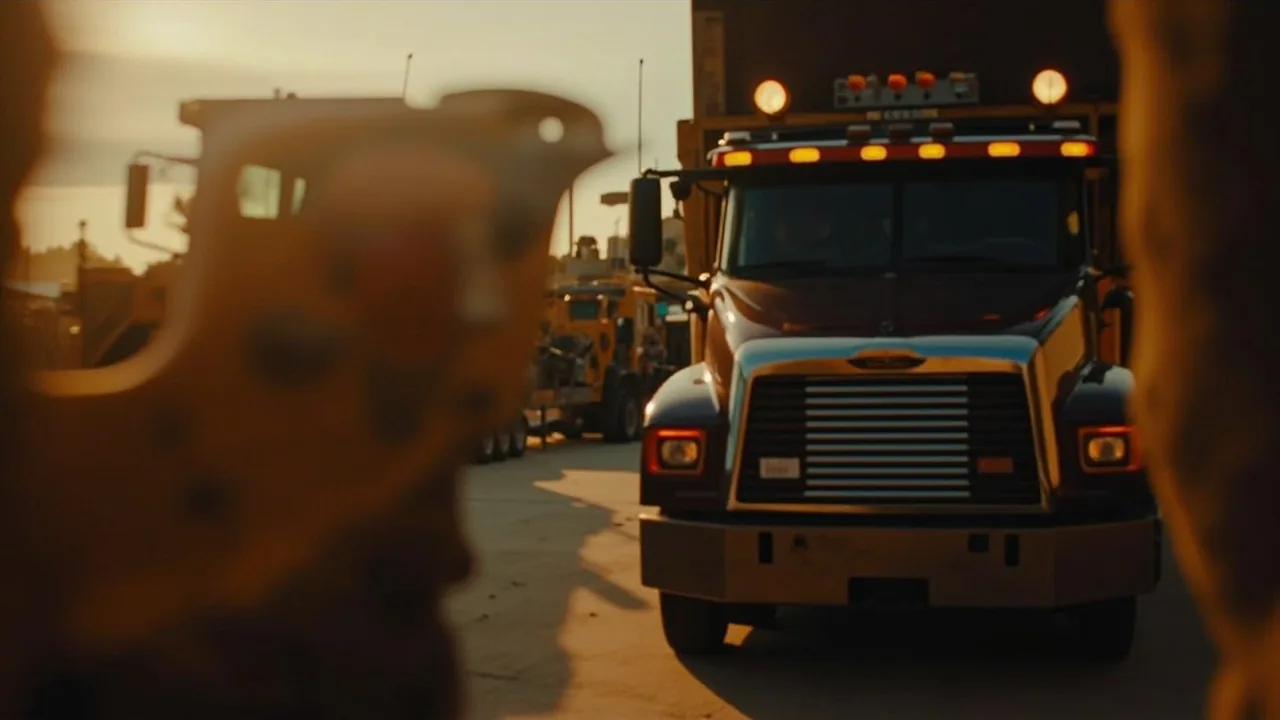

Log trucks and specialized trailers move timber from the cut block to the mill, which is where a harvest becomes revenue. Leasing them spares a Canadian logging company a large fleet purchase.
Forestry across Canada depends on reliable log trucks and specialized trailers to haul timber out of remote cut blocks to the mills. Whether you work the B.C. Interior, the boreal forest of Ontario and Quebec, or the Atlantic woods, moving wood efficiently is central to the business. Equipment Leasing Canada finances heavy equipment for logging operations and builds its terms around the forestry sector.
Why Leasing Makes Sense for Logging Operations
Leasing makes sense because a modern logging truck is a large outlay, often more than $200,000 before you add the trailer and attachments. Money sunk into a depreciating asset is money that is not growing the business.
Leasing is the practical middle path: you get the trucks and trailers you need while your cash flow stays flexible. You can structure payments around your seasonal revenue, which matters in forestry, where income swings with timber prices, weather, and mill schedules. Line up monthly payments with your busy season and the slow months are easier to manage.
Preserving Working Capital for Business Growth
Every dollar locked in equipment is a dollar you cannot use elsewhere. Leasing frees working capital for hiring and training operators, keeping the rest of the fleet running, expanding into new territory, or getting through a slow stretch. It also protects the reserves you need for fuel, upkeep, insurance, and the unexpected costs of working deep in the bush. In a competitive trade, that flexibility often decides who is still operating next season.
Equipment Finance Options for Canadian Forestry Businesses
Financing for logging trucks and trailers comes in two main forms, operating leases and capital leases. The right one depends on your tax position, how you manage cash, and whether you would rather own the equipment or refresh the fleet often.
Operating Leases for Regular Fleet Updates
An operating lease lets you run the equipment for a set term with monthly payments, then hand it back at the end. It suits companies that prefer newer trucks and want to avoid the heavy maintenance that comes with aging equipment. Payments tend to be lower than other structures because you are not building equity. At the end of the term, you move into newer models with current safety and emissions technology, which keeps you compliant and competitive.
Capital Leases for Long-Term Ownership
A capital lease, or finance lease, behaves more like a loan: you finance the purchase over the term and own the equipment at the end. Established forestry companies often prefer it when they want to build equity in the fleet. Operating and capital leases are treated differently for accounting and tax purposes, as the tip below explains.
Canadian Tax Advantage Tip
Under Canadian tax law, operating lease payments on business equipment are generally deductible as a business expense, so you may be able to write off the full monthly payment against your income. With a capital lease or a loan, you claim capital cost allowance plus interest instead. Ask your accountant how leasing applies to your situation and what the CRA expects.
Financing Specialized Trailers for Forestry Operations
A logging trailer is a purpose-built unit, not a standard commercial trailer. It is designed for uneven loads, shifting weight, and the punishment of rough bush roads, and it does much of the heavy work. Financing trailers is an important part of any forestry acquisition plan.
Equipment Leasing Canada finances the whole rig, not just the truck. Pole trailers, self-loading log trailers, and multi-axle setups for overweight loads can all go into one financing arrangement.
Types of Trailers Available for Logging Operations
Canadian crews run different trailers depending on the timber and the terrain. Self-loading trailers with built-in cranes are popular where tree-length logs are the norm, and pole trailers remain common where shorter logs are standard. Multi-axle trailers help you maximize payload while staying within provincial weight rules, which differ across the country.
No two logging operations need the same setup. Choose trailers that match your typical loads, your home territory, and the wood you haul most.
Benefits of Equipment Leasing for Forestry Across Canada
Leasing helps with the particular demands of Canadian forestry. Long hauls in Ontario and Quebec, mountain terrain in B.C. and Alberta, and mixed-wood stands in the East all require equipment that performs under pressure.
Dealers and manufacturers who know forestry can spec logging equipment for Canadian conditions, so your trucks arrive configured for the job from day one. Equipment Leasing Canada finances equipment bought from those dealers.
Managing Cash Flow Through Seasonal Fluctuations
Forestry runs on seasonal cycles that strain cash flow. Harvest seasons differ by province: some regions run year-round, while others concentrate activity in winter, when frozen ground opens up stands you cannot reach otherwise. Those swings decide when money comes in, which makes fixed purchase costs hard to carry in the slow stretches.
Lease payments can be scheduled to track your revenue instead of staying flat all year, so the financing does not cause a cash crunch in the quiet months.
New or Used Equipment: Making the Right Choice
Choosing between new and used logging trucks affects your payments, upkeep, and planning. The decision comes down to your finances, your growth plans, and your tolerance for risk.
New trucks bring the latest technology: better fuel economy, improved safety, and lower emissions. In regions with strict emissions rules, that can matter for compliance. But new equipment depreciates quickly in the first years, and the higher price means a bigger monthly payment.
Used trucks and trailers can be good value when you care more about reliability than the newest features. A well-kept used machine often runs trouble-free for years at a fraction of the cost of a new one. Your payments are lower, and you skip the steepest part of the depreciation curve. Equipment Leasing Canada finances both new and used.
Ready to lease log trucks or trailers? Apply for equipment financing or estimate your monthly payment.
Tips for Choosing the Right Lease Structure
The right lease structure for your trucks and trailers depends on five things:
- Cash flow: choose payments that line up with your revenue cycles so the slow months do not squeeze you.
- How long you keep equipment: this shifts the choice between an operating and a capital lease.
- Tax situation: get an accountant's view on how each structure affects deductions and taxable income.
- True cost of ownership: include maintenance, insurance, and repairs when you compare options.
- Growth plans: decide whether you value the freedom to change equipment as you grow or the stability of owning long-term.
Frequently Asked Questions
What credit score is needed to lease logging trucks and trailers in Canada?
There is no fixed minimum; Equipment Leasing Canada works with a wide range of credit profiles. Better scores earn better terms, but forestry finances do not always fit a bank's criteria. The overall health of your business, your time in the trade, and what you need all count, not just a credit number. The surest way to see your options is to apply.
Can I finance both new and used logging trucks through Equipment Leasing Canada?
Yes. Equipment Leasing Canada finances both new and used logging trucks and trailers, whether you want the newest model with modern safety and fuel economy or a reliable used unit at a lower price. Used equipment financing often carries competitive rates and terms, which makes it a cost-effective way to build a fleet.
How long can I finance logging equipment in Canada?
Usually two to five years, depending on the equipment and your preference. Shorter terms mean higher monthly payments but quicker ownership or more frequent upgrades. Longer terms lower the monthly cost but extend the commitment.
Are there tax benefits to leasing logging equipment in Canada?
Yes, there can be. Operating lease payments on business equipment are generally deductible as a business expense, which lowers taxable income. With a capital lease, you claim capital cost allowance plus interest instead. You also typically pay GST on each lease payment rather than on the full purchase price up front. The Canada Revenue Agency's guidance on leasing costs says to “Deduct the lease payments incurred in the year for property used in your business.” (CRA) Your accountant should confirm how it works for you.
What happens if my logging truck needs repairs during the lease term?
You arrange and pay for them. During the lease term, maintenance and repairs are your responsibility, which means you choose where and how the work gets done. Many forestry companies use mobile repair crews that come to the cut block, while others take equipment to a trusted shop. Regular, budgeted service prevents breakdowns and extends the life of leased equipment.
Leasing log trucks and specialized trailers keeps you flexible and protects your working capital. For more background, read the guides to equipment leasing and equipment financing, or apply for equipment financing.
Share this article
Need Equipment?
Get approved for equipment financing in as little as 24 hours. No obligation application.
Get a Free QuoteOr call us directly
1-833-924-9554