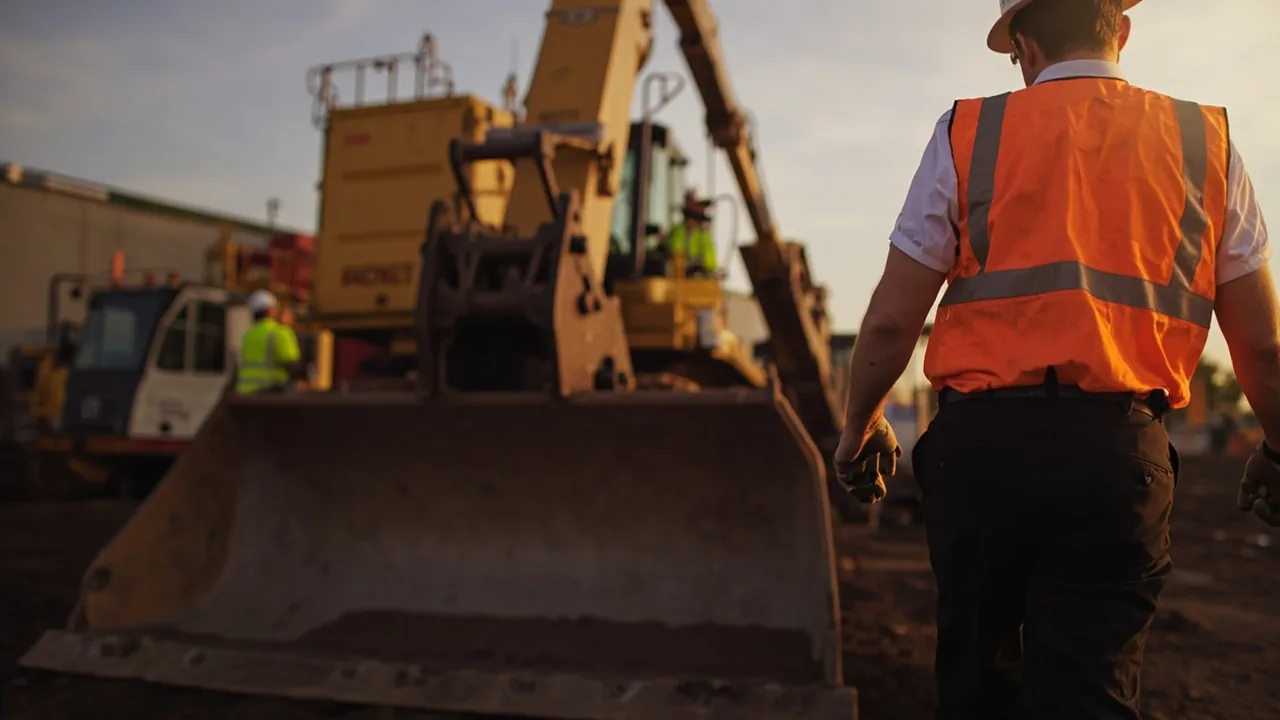

A piling rig is the heavy machine that drives or drills foundation piles deep into the ground, anchoring a building, bridge, or structure to stable soil or bedrock. For a Canadian construction company, leasing piling rigs instead of buying keeps that specialized equipment on the job when you need it, without tying up capital in a machine that sits idle between projects.
Foundation work leaves little room for error. If the piles are wrong, everything above them is at risk, so the rig has to match the ground, the load, and the schedule. That is why leasing suits so many contractors: you bring in the right rig for the job, then hand it back when the foundation is in.
Understanding Piling Rigs and Foundation Equipment
Piling rigs come in three main types, and the soil usually decides which one you need:
- Impact hammer rigs drive a pile with repeated blows. They are simple and effective in firm ground.
- Vibratory drivers shake the pile down instead. They are faster and quieter, and well suited to granular soils.
- Rotary drill rigs bore a hole for a cast-in-place pile. They are the standard choice for drilling into rock or for large-diameter foundations.
The right pile driving equipment also depends on what you are installing. Steel H-piles, concrete piles, timber piles, and helical piles each need different tooling and energy. A diesel or hydraulic hammer handles driven piles, and an auger or rotary head handles drilled shafts. Matching the drilling equipment to the pile type matters, and leasing lets you choose the exact rig instead of forcing one machine to do everything.
Owning a piling rig ties up a lot of money in a machine you may only run a few months a year. Leasing keeps your capital free, and you are not stuck with an aging rig when a project needs more torque or hammer energy than your old machine can deliver.
Why Canadian Contractors Lease Piling Rigs
Canadian foundation contractors lease piling rigs because they are expensive and specialized, and most companies do not need the same configuration on every job. With a lease, you match the machine to the project instead of owning one rig and hoping it fits everything.
The cash you would have spent on a purchase stays free for labour, materials, and the next bid. When a job in difficult ground needs a bigger rig, you can scale up for that project alone, without buying a second machine you would rarely use.
Tip: Matching Rig Capacity to Canadian Soil Conditions
Check your piling rig specifications against the local soil report before you commit. The rocky ground of the Canadian Shield needs more torque and hammer energy than softer prairie soils. Share your geotechnical data with your equipment dealer so the rig is matched to the ground and you avoid overruns from unsuitable machinery.
Applying for Piling Equipment Financing in Canada
Applying to lease piling equipment through Equipment Leasing Canada starts with a short application covering your business, the equipment you need, and how you plan to use it. Construction moves fast, so the process is designed to be quick.
Expect to provide standard documentation: business registration, financial statements or bank references, and a summary of your experience with similar foundation work. That information shapes the leasing options offered for your budget. Equipment Leasing Canada works with contractors of every size, in every province and territory.
Once you are approved, the terms can follow your timeline and cash flow. Whether the lease covers a single long project or several construction phases, the payment schedule can be structured to fit, including payments matched to your busy season.
Benefits of Leasing Over Purchasing Piling Equipment
The total cost of ownership makes the case for leasing. Buy a drill rig and you pay the purchase price, financing, insurance, storage, maintenance, and eventually replacement as the machine ages. Those costs add up, especially when the rig sits idle for parts of the year, and they often cancel out the savings ownership seems to offer.
Leasing gives you predictable costs. Your monthly payment is a known number you can put straight into a project estimate or tender. That certainty matters most on public infrastructure bids, where cost predictability can decide the award. Fewer surprise repair bills and less downtime strengthen both your margins and your bids.
There is a balance-sheet angle too. An operating lease often stays off the balance sheet as a liability, which can improve the financial ratios lenders and clients look at.
Regional Considerations for Piling Projects Across Canada
Foundation work varies widely across Canada. In British Columbia, seismic design drives equipment choice, and many projects need piles that can withstand earthquake forces. The mountains also make access difficult, sometimes requiring specialized rig setups or even helicopter transport to reach a remote site.
In the north, the challenges are permafrost, extreme temperature swings, and limited infrastructure for supporting equipment. Piling there often needs specialized techniques to keep a foundation stable as the ground moves with the seasons. Leasing lets a contractor bring in a rig built for those conditions without keeping expensive equipment for the occasional northern job.
The prairies generally offer easier ground, though expansive soils that swell and shrink with moisture can cause problems. Alberta's oil and gas development often calls for heavy foundations that need substantial piling equipment. With Calgary and Edmonton building heavily, demand for rigs runs high, which makes leasing a practical choice for contractors who need reliable equipment through peak periods.
Ready to lease a piling rig? Apply for equipment financing or estimate your monthly payment.
Frequently Asked Questions
What types of piling rigs can I lease for foundation work in Canada?
Most types. Through Equipment Leasing Canada you can lease diesel hammer rigs, hydraulic hammer rigs, rotary drill rigs, and compact mini-piling equipment, new or used, from the dealer or seller you choose. That covers driving steel, concrete, and timber piles across the soil conditions found on Canadian sites.
How long can I lease piling equipment for my construction project?
Typically 24 to 84 months, so you can match the term to a long project or an ongoing construction program. For a single phase of a few weeks, a short-term rental from an equipment rental company usually costs less.
Are leasing payments tax deductible for Canadian businesses?
Yes, for an operating lease. Operating lease payments for equipment used in your construction business are generally deductible as a business expense in the year you incur them. With a capital lease, a loan, or a purchased rig, you claim capital cost allowance over several years, plus interest if financed. The Canada Revenue Agency's guidance on leasing costs says to “Deduct the lease payments incurred in the year for property used in your business.” (CRA) Confirm the specifics with your accountant.
What maintenance is included when I lease piling equipment?
Usually none. Under most equipment leases you handle routine maintenance, as you would on a rig you own. Many dealers offer service plans that cover scheduled maintenance, emergency repairs, and on-site technical support, and the cost can often be included in your lease payment.
Can I get assistance selecting the right piling rig for my project?
Yes. Your equipment dealer is the best source for matching a rig to your soil conditions, pile type, and site constraints. Equipment Leasing Canada can help you compare the cost of the options you are considering and structure the lease around the one you choose.
What happens if leased piling equipment breaks down during my project?
Repairs are usually covered by the manufacturer's warranty or the dealer's service plan, so check both before you sign. Lease payments generally continue while the rig is down, so for critical foundation work, where delays get expensive quickly, a service plan with guaranteed response times is worth the cost.
Can I lease piling equipment anywhere in Canada?
Yes. Equipment Leasing Canada finances equipment for businesses in every province, including remote and northern sites. The dealer or seller arranges delivery, and the cost depends on the equipment, the location, and how easy the site is to reach.
Share this article
Need Equipment?
Get approved for equipment financing in as little as 24 hours. No obligation application.
Get a Free QuoteOr call us directly
1-833-924-9554