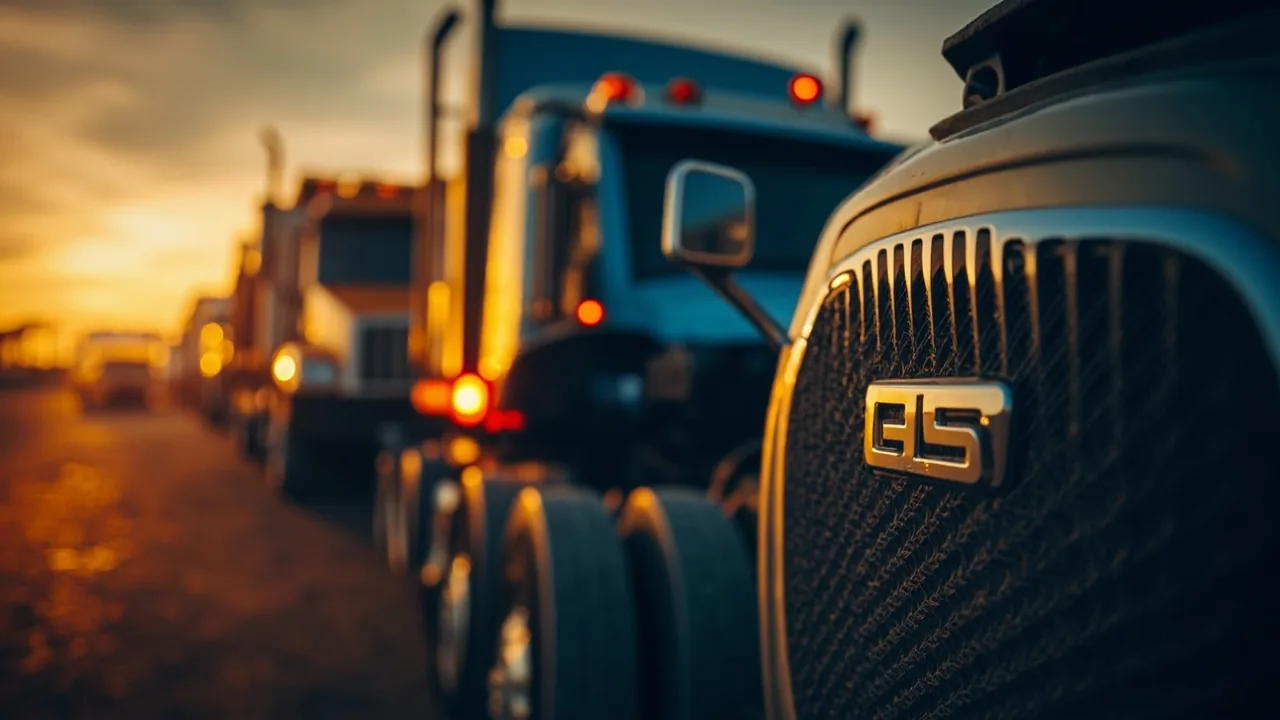
Leasing Specialized Heavy-Haul Tractors

Heavy-haul tractors move the oversized loads that ordinary trucks legally cannot. Leasing one gives a Canadian carrier that specialized power without buying a truck it uses only occasionally.
Transportation and construction companies across Canada rely on heavy-duty tractors to move machinery, materials, and loads a standard truck cannot handle. Demand for that pulling power keeps growing, whether you work in the Alberta oil sands, the forests of B.C., or the factories of Ontario. Leasing one through Equipment Leasing Canada gives you access to these trucks while keeping working capital free for the rest of the operation.
Why Canadian Businesses Choose to Lease Heavy Haul Tractors
Canadian businesses lease heavy haul tractors because buying one outright is a large capital commitment, and for many companies putting that much into a single machine does not make sense. Leasing gets you the truck while keeping your finances flexible. Instead of draining reserves, you can put that money toward skilled drivers, a wider service territory, or whatever else drives revenue.
Canada is a large, demanding country to haul in, from Rocky Mountain passes to flat prairie highway, and a heavy haul tractor has to handle all of it. Leasing keeps you in newer model years with current technology, better fuel economy, and improved safety, without the long commitment of ownership. As your work changes, you can move to different equipment.
For many businesses, it comes down to predictability. A truck lease usually has fixed monthly payments, which makes budgeting simple across the term. That matters in construction and resource work, where the workload swings and managing cash flow keeps you running through the slow periods.
Understanding Heavy Haul Tractor Specifications and Capabilities
A heavy haul tractor differs from a standard highway truck in design, drivetrain, and pulling capacity. It is built to move loads beyond normal highway weight limits, which usually means specialized trailers and extra permits. The truck has a reinforced frame, heavy-duty suspension, and an engine with the torque to get a massive load moving and keep it moving.
When you compare models, start with the gross combination weight rating: the most the tractor, trailer, and cargo together can legally carry. Provinces set their own highway weight rules, so know the limits on the routes you run. Some setups are built for off-road work at job sites and resource operations, while others are designed for highway runs between cities.
Horsepower and torque drive performance. More horsepower means better highway speed when empty. More torque gets a heavy load rolling from a stop on a grade, which is what you need in the mountains. Fuel economy matters too, since a truck running long Canadian distances burns a lot of diesel over a term.
Financial Considerations: Cost Analysis for Heavy Equipment Leasing
The cost of a heavy haul tractor lease depends on the model, the term length, any down payment, and whether you choose an operating or finance lease. Once you know those, you can judge whether leasing beats buying with a loan or paying cash.
Monthly payments depend on the truck's residual value, the interest rate, and any fees. A higher residual usually means a lower payment, because you are financing the depreciation over the term rather than the whole purchase price.
On the tax side, operating lease payments may be deductible as business expenses under the Income Tax Act, which can work out better than claiming depreciation on a purchased truck. The Canada Revenue Agency's guidance on leasing costs says to “Deduct the lease payments incurred in the year for property used in your business.” (CRA) The treatment depends on the lease terms and how the equipment is used, and it has a large effect on the effective cost, so check with a Canadian tax professional.
Tip: Factor in Total Cost of Ownership
When you compare options, look past the monthly payment to upkeep, insurance, fuel economy, and any end-of-term obligations. A slightly higher payment on a newer truck with better mileage and warranty coverage can mean a lower total cost over the term.
Service, Maintenance, and Fleet Management Benefits
Service and maintenance can be built into a heavy haul tractor lease. These trucks need regular upkeep, and an unexpected breakdown means costly downtime that affects your schedule and your client relationships. A lease lets you include maintenance terms, with the dealer handling service, or set clear responsibilities up front.
Many of these deals can carry manufacturer warranties for the whole term, so the major components are covered. That matters when you are working in a remote part of the country where the nearest shop is hours away. The Business Development Bank of Canada notes, “If you don't want to deal with maintenance, consider leasing, a time-determined rental with guarantees that typically cover most of the issues you may encounter.” (BDC)
If you run a fleet, leasing lets you replace trucks on a schedule so you are always on newer equipment. That keeps efficiency up, holds down the upkeep that builds on aging trucks, and presents well to clients.
Choosing the Right Lease Structure for Your Operation
The right lease structure depends on your situation. The two main options are operating and finance leases.
An operating lease is usually off-balance-sheet, so the obligation does not appear as a liability on your statements. That helps if you want to protect borrowing capacity or maintain certain financial ratios. Payments tend to be lower, since the term is shorter than the truck's useful life and the lessor takes the residual-value risk.
A finance lease, or capital lease, transfers most of the ownership risks and rewards to you. The truck appears on your balance sheet, and you may claim capital cost allowance under Canadian tax law. Payments are usually higher, but you are working toward ownership, often with a nominal buyout at the end, which makes it work much like a loan.
Application Process and Getting Started
The application process with Equipment Leasing Canada starts with your needs: the trucks you want, how you will use them, and the terms you prefer. With that information, the team can match you to a suitable structure and a competitive rate.
You will share business financials, including revenue, existing debt, and time in business, so your credit can be assessed and terms set. Strong profiles get the best rates. Newer companies or thinner credit files can still find options through the lender network.
Once you are approved, the dealer arranges delivery to your location and Equipment Leasing Canada pays for the truck. The paperwork stays light whether you finance one unit or several for a fleet. Equipment Leasing Canada serves every province and territory.
Frequently Asked Questions
What is the typical lease term for heavy haul tractors in Canada?
Most run 24 to 60 months. A shorter term lets you upgrade sooner, and a longer one lowers the monthly payment. Choose the length that matches how hard you will run the truck, your budget, and when you plan to replace it.
Can I lease heavy haul tractors if my business has limited credit history?
Yes. Equipment Leasing Canada works with a range of credit profiles. Stronger histories get the best rates, but there are options for thin files through a lender network that specializes in this kind of equipment, not just banks. A bigger down payment or a co-signer can improve the terms.
What maintenance responsibilities do I have during the lease period?
Usually routine upkeep, such as oil changes, tire rotations, and scheduled inspections. Most deals require you to maintain the truck to manufacturer specifications to keep the warranty valid. Your agreement spells out what is expected, and the dealer may offer a service package.
Can I purchase the equipment at the end of my lease?
Yes, in most cases. A finance lease usually includes a purchase option, often a nominal buyout. An operating lease might let you buy at fair market value or move to a newer truck instead. Settle the purchase option when you structure the deal so it matches your long-term plans.
What happens if I need to terminate my lease early?
You usually pay a termination fee, either a portion of the remaining payments or a set amount, depending on the agreement. Think through your outlook before you sign, and ask about the early-termination terms on each option.
Ready to lease a heavy-haul tractor? Apply for equipment financing or estimate your monthly payment.
Share this article
Need Equipment?
Get approved for equipment financing in as little as 24 hours. No obligation application.
Get a Free QuoteOr call us directly
1-833-924-9554