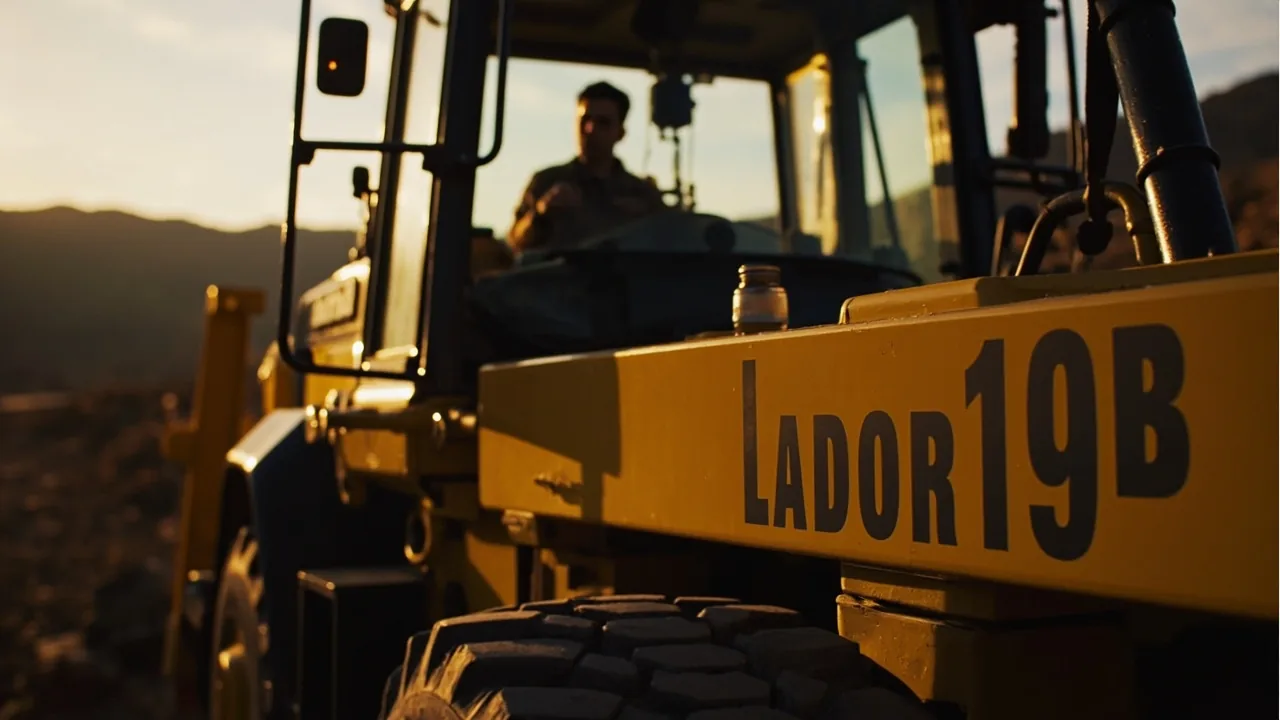

A yarder is the cable logging machine that makes harvesting possible on steep Canadian ground. Leasing one puts that capability to work without the large capital outlay of buying outright.
Understanding Yarders and Steep Slope Logging
A yarder is a cable system that hauls felled logs uphill or across ground too steep for wheeled or tracked machines to work safely. A tower or spar carries the cables, a powered winch reels them in, and logs are dragged or flown to a landing for processing. On the steep slopes common in British Columbia and parts of Quebec, it is often the only practical way to get timber out.
Yarders come in a few forms. A tower yarder mounts a telescoping steel tower for height and reach and suits the steepest, most demanding ground. A highlead yarder is a simpler, lower-cost option for moderate slopes, and ground-based setups handle gentler terrain. Modern units pair a climate-controlled operator cab with the power and line speed to move large volumes. Canadian builders such as T-Mar Industries are well known in this space, and leasing can cover whichever brand fits your block.
Why Lease a Yarder for Your Forestry Operation
Leasing a yarder keeps your capital working. A capable yarder is a major purchase, and buying one outright ties up money a forestry business could put toward crews, contracts, or the next opportunity.
Canadian forestry has been volatile lately, with swings in lumber prices, shifting global demand, and changing trade policy affecting operators across the country. Financial flexibility through those cycles can be the difference between riding out a downturn and being forced to scale back. Lease payments structured around actual use help you avoid the fixed costs of ownership when activity slows.
Choosing the Right Yarder to Meet Your Needs
Choosing the right yarder starts with the ground. Consider your slope angles, your typical extraction distance, and the volume you need to move, since each points to a different type of machine. A short, steep site with long external yarding distances needs a tall tower and strong lines. Gentler terrain may be served well by a lighter, cheaper setup.
Reliability belongs near the top of the list. On a remote site, a breakdown strands a whole crew, so favour a well-supported, reliable unit over a slightly cheaper one. It helps to buy from a dealer that specializes in forestry equipment and knows what it takes to keep machines running far from a service centre.
Canadian Tax Tip
Under CRA guidelines, operating lease payments for most business equipment, including yarders, are generally fully deductible as business expenses in the year they are incurred. That can be more favourable than the depreciation schedule a purchase requires. A tax professional can help you structure your lease for the best tax outcome.
Environmental Considerations in Modern Forestry
Environmental standards increasingly shape equipment choice on Canadian operations. Sustainable forest management, certified through programs like the Canadian Standards Association or the Forest Stewardship Council, often requires less soil compaction, protected water quality, and a smaller harvesting footprint. A well-chosen, properly operated yarder helps you meet those standards while staying productive. Tower yarders in particular disturb less ground than ground-based extraction and can protect sensitive riparian zones in provincial management areas.
Evaluating Lease Terms and Conditions
Evaluating a yarder lease means reading the fine print on four points:
- Term: usually two to five years for heavy equipment like a yarder. It drives both your monthly payment and your total interest.
- Residual value: sets what the machine is worth at the end and shapes your buyout and overall cost.
- Purchase options: including how the price is set, whether by formula or fair market value.
- Early termination: you hope never to use these clauses, but they protect you if circumstances change unexpectedly.
Reliability and Support on Remote Job Sites
Reliability on remote job sites is essential in steep slope logging. When a yarder goes down on a remote site, every hour of downtime means lost production, possibly a missed delivery, and an idle crew. Buying from an established dealer with a solid support network reduces that risk, since service and parts are available when you need them. Operations in the B.C. interior, for instance, rely on dealers who know how to support machines in mountainous country far from the nearest shop.
Ready to lease a yarder? Apply for equipment financing or estimate your monthly payment.
Frequently Asked Questions
What types of yarders are best suited for steep slope logging in Canada?
Tower yarders, generally, because they have the height and reach to pull logs off difficult ground safely. Highlead yarders are a middle ground for moderate slopes, while ground-based yarders suit gentler terrain. The right choice depends on your slope angles, extraction distances, and harvest volume.
How does leasing yarders affect my Canadian business taxes?
Operating lease payments on yarders and other forestry equipment are typically fully deductible as business expenses in the year you incur them. That can give a more immediate tax benefit than depreciating a purchase over time through capital cost allowance. The Canada Revenue Agency's guidance says to “Deduct the lease payments incurred in the year for property used in your business.” (CRA) The exact treatment depends on your structure, so consult a Canadian tax professional who knows forestry.
What credit score or financial requirements are needed to lease yarder equipment?
Most Canadian lenders look for an established credit history, positive cash flow, and a successful operating track record rather than a single score. A newer business may need to supply a business plan, contracts showing future revenue, or personal guarantees. Equipment Leasing Canada works with businesses across the credit spectrum.
Can I lease used yarders, or do I need to lease new equipment?
You can lease either. Used equipment can mean lower monthly payments and less total interest, though lessors may set stricter terms on older machines. Many operators prefer newer equipment for the latest safety features and technology. The choice comes down to your budget, your needs, and your tolerance for risk.
What happens if my yarder needs major repairs during the lease term?
Usually you are responsible, since most leases put routine maintenance and repairs on the lessee. Some arrangements include a maintenance package covering regular service, while others leave you to arrange and pay for it. Major repairs might be covered by optional protection plans or warranty, depending on the deal. Check these terms before you sign.
How long does it typically take to get approved for yarder leasing in Canada?
From a few days for an established business with clean financials to several weeks for a more complex application or a thinner credit history. Having your business documents, financial statements, and equipment details ready speeds things up.
Share this article
Need Equipment?
Get approved for equipment financing in as little as 24 hours. No obligation application.
Get a Free QuoteOr call us directly
1-833-924-9554